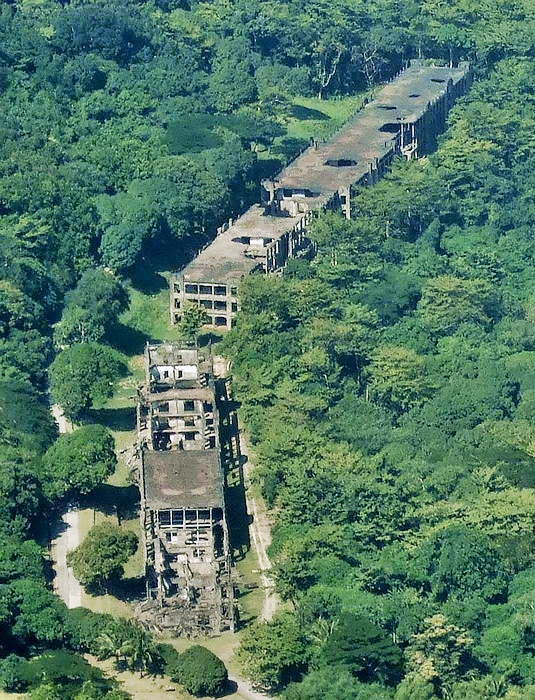
Middleside Barracks from fots2 05 2007 aerial view of the barracks
———————————————————–
Built in 1915, Middleside Barracks was a modern structure for its day. I have never seen any sort of blueprints for the barracks so I cannot label any locations or room functions. Toilets and showers are obvious. Only one room had any indication as to who was quartered there.
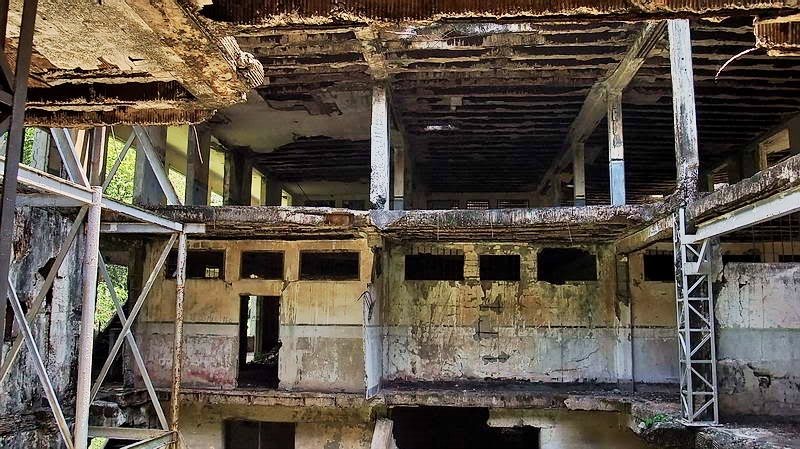
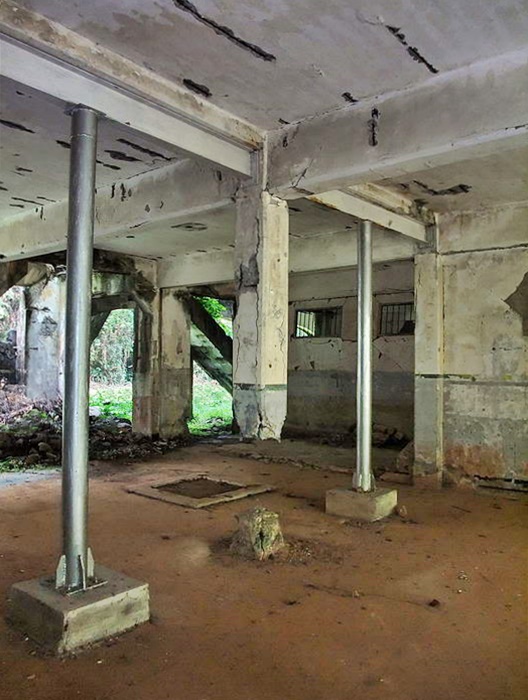
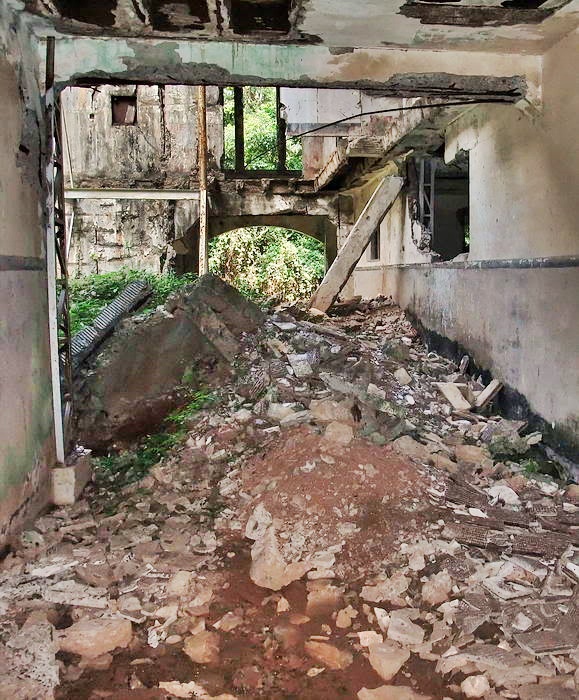
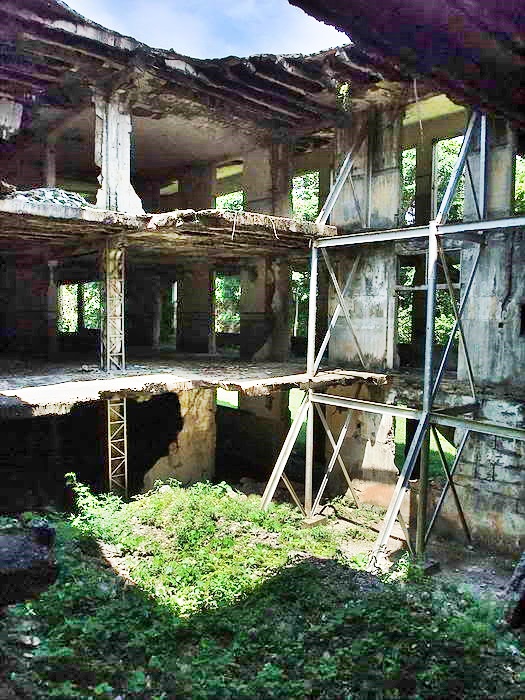
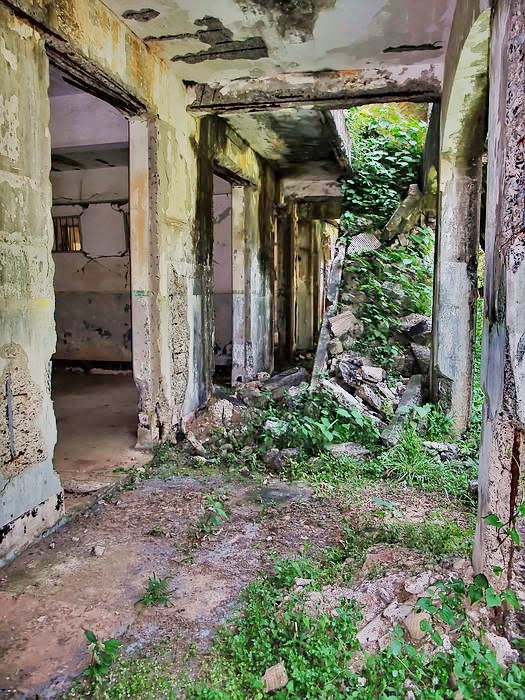
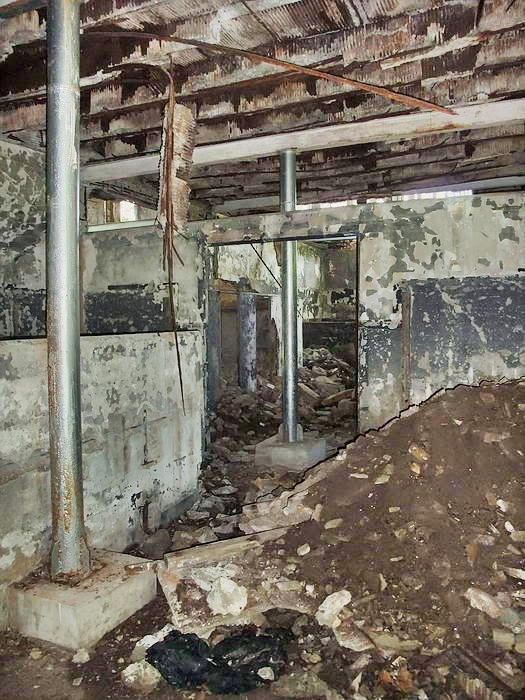
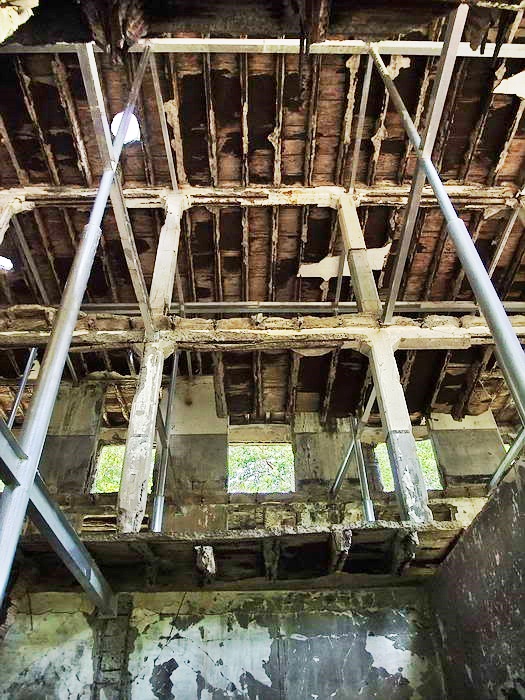
Today the state of the barracks ranges from reasonably intact to just rubble as you will see in the following photos. The top floor is quite dangerous in places and you certainly have to exercise caution there. The day tour buses stop at the roadside but no one is allowed near the buildings. I would say a project about three years ago to reinforce fragile areas has been quite successful. Even a strong typhoon a few months ago did no damage that I am aware of.
In the rainy season the buildings look dark grey with moss in some areas. In the dry season they look light grey/yellowish. Some photos are from past trips however most were taken just last week.
The main reason establishing this album is to host pictures in the Corregidor forum, to replace the originals there, because they were watermarked by Photobucket. The vast majority of the pictures was shot or was collected by John Moffitt who uses “fots2” as his forum name.
————————————————————–
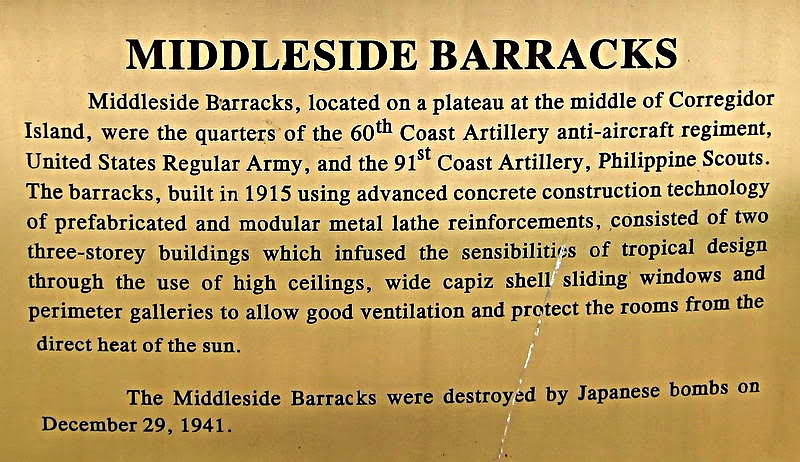
Middleside Barracks fots 01 description
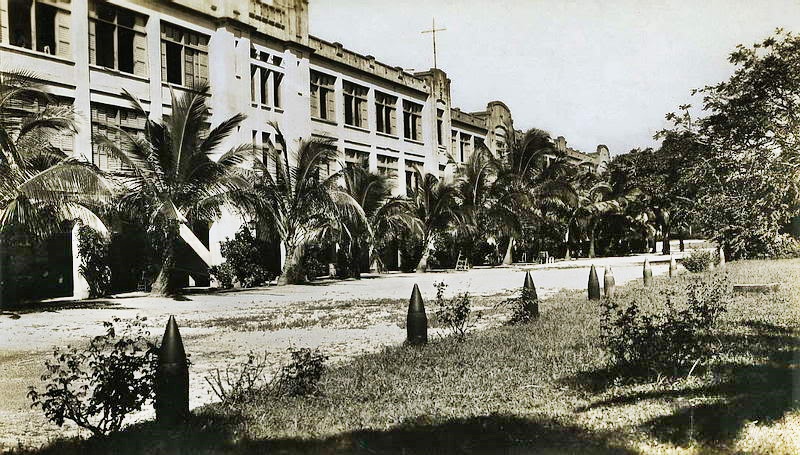
Middleside Barracks fots 02 pre war
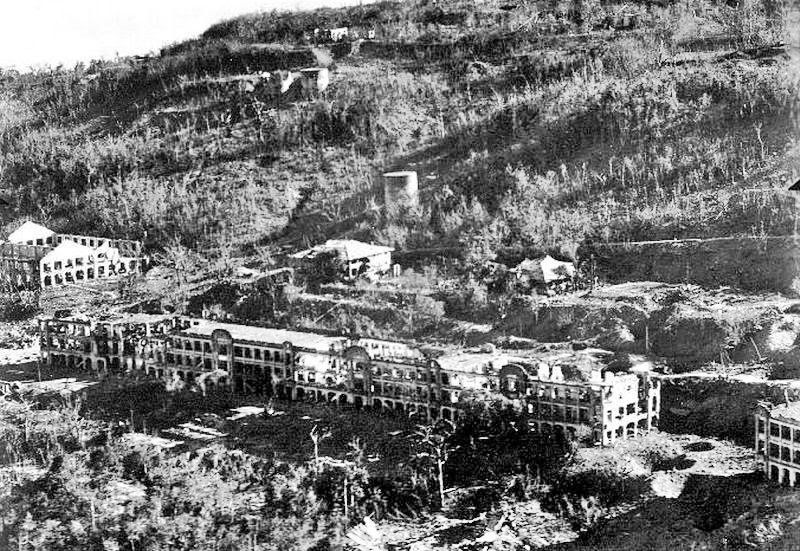
Middleside Barracks fots 03 1945 view of Middleside. The two barracks are in the foreground and the large building middle left was the Army Service Club (YMCA).
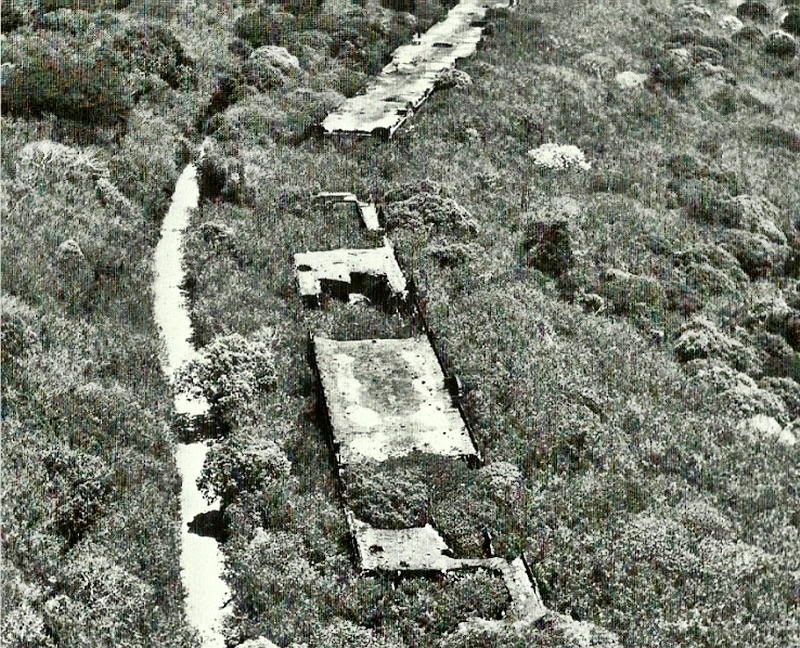
Middleside Barracks fots 04 1962 aerial view of the barracks. (courtesy chadhill).
Middleside Barracks fots 05 2007 aerial view of the barracks
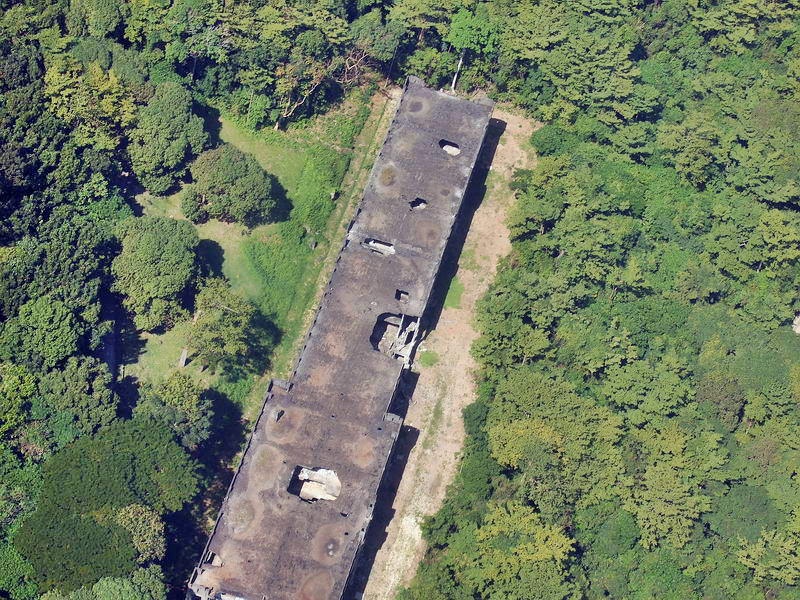
Middleside Barracks fots 06 2007 aerial view of the west side barracks
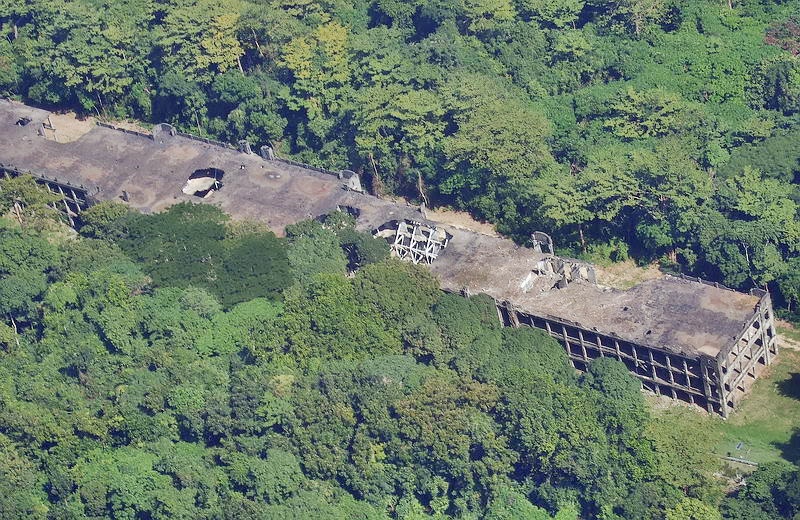
Middleside Barracks fots 07 2007 aerial view of the east side barracks
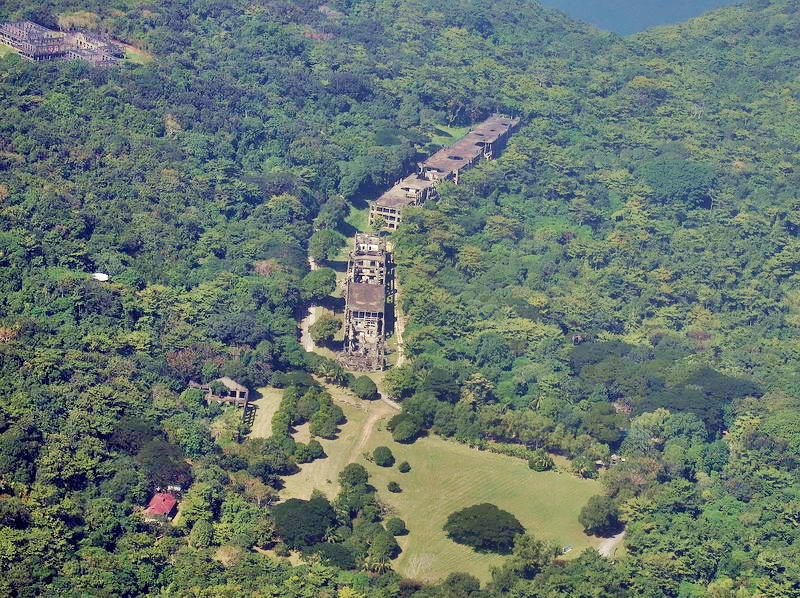
Middleside Barracks fots 08 2007 wide view. Near top right is James Ravine on the north coast. Top left is the Fort Mills Hospital.
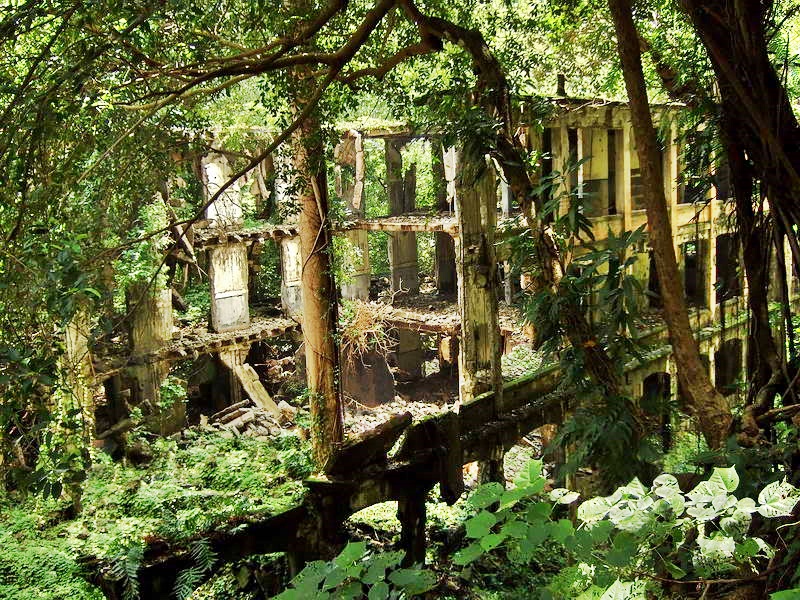
Middleside Barracks fots 09 2006 pre clean-up and reinforcement view.
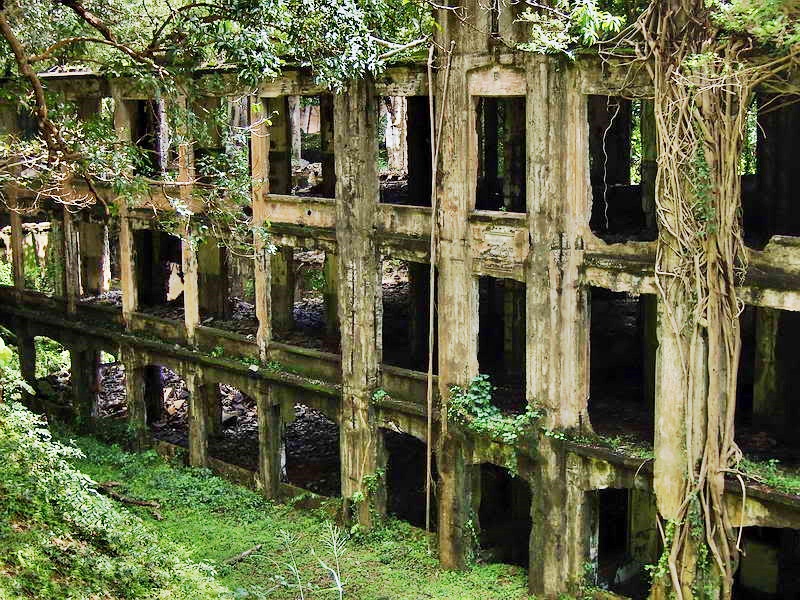
Middleside Barracks fots 10 2006 pre clean-up and reinforcement view.
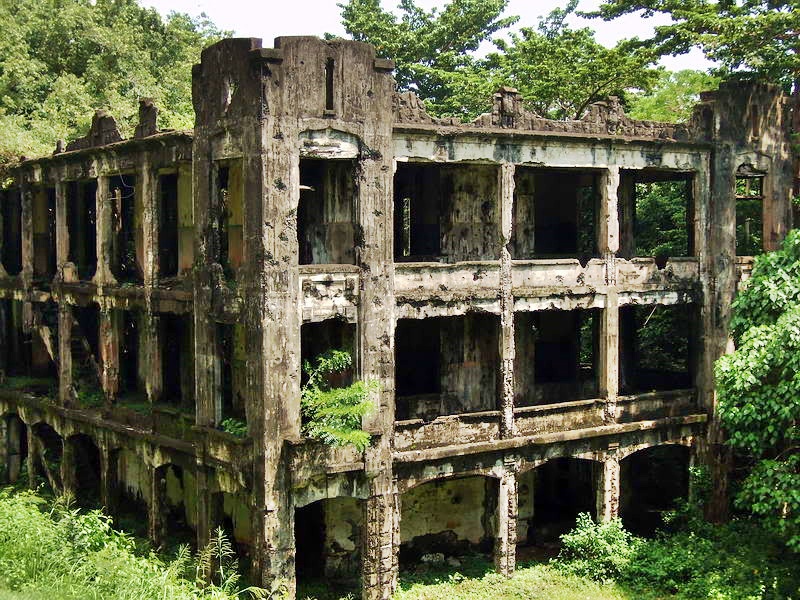
Middleside Barracks fots 11 2006 pre clean-up and reinforcement view.
=================================
THE FINE WORKS OF FOTS2 CONTINUES (JOHN MOFFITT)
=================================
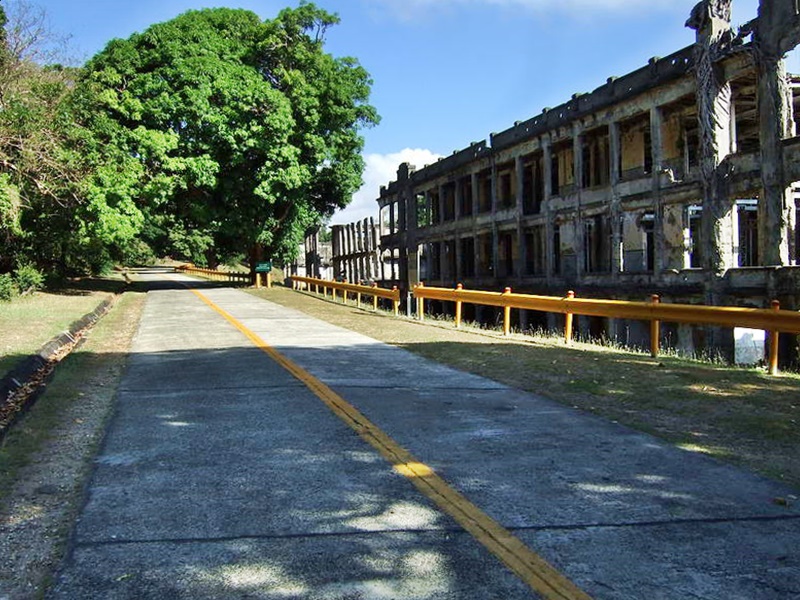
Middleside Barracks fots 12 2010 photo taken from beside the barracks of the road going up to Topside.
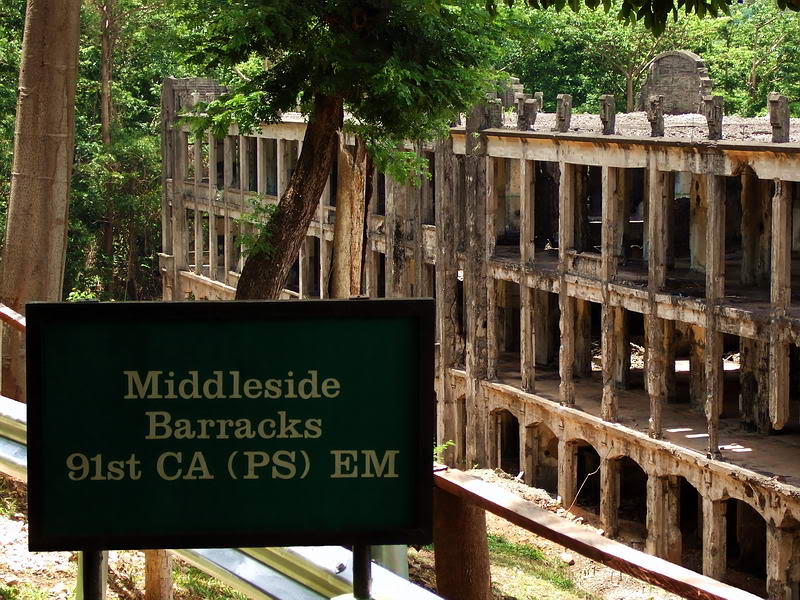
Middleside Barracks fots 13
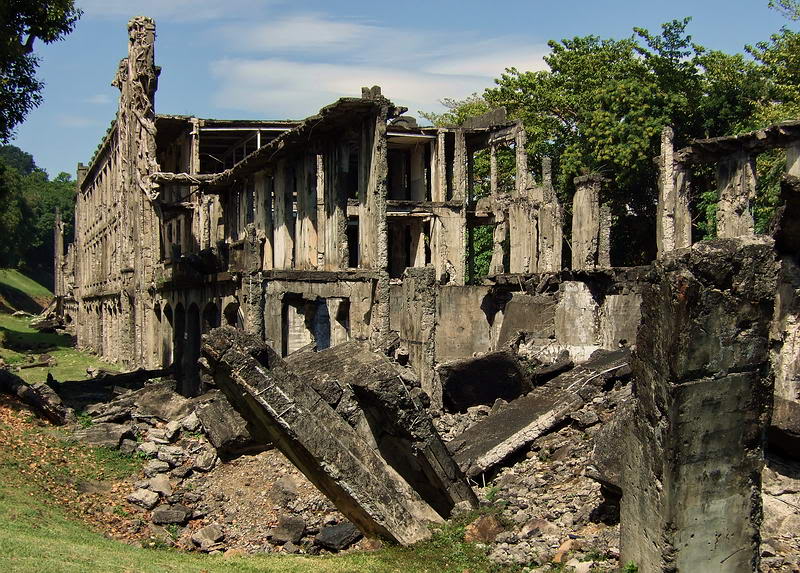
Middleside Barracks fots 14
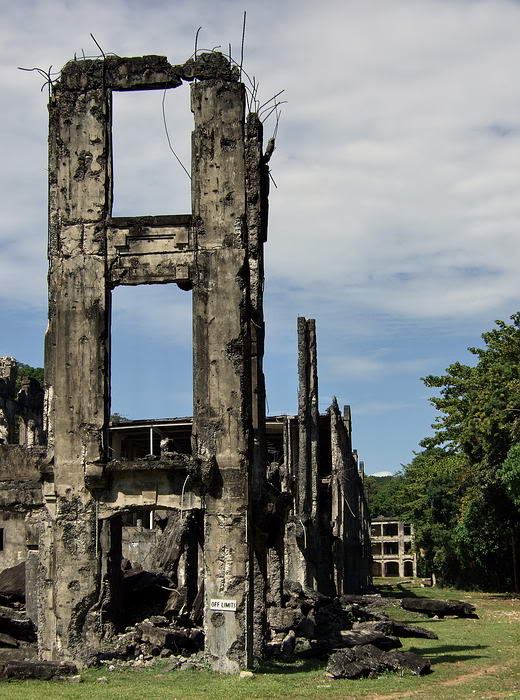
Middleside Barracks fots 15
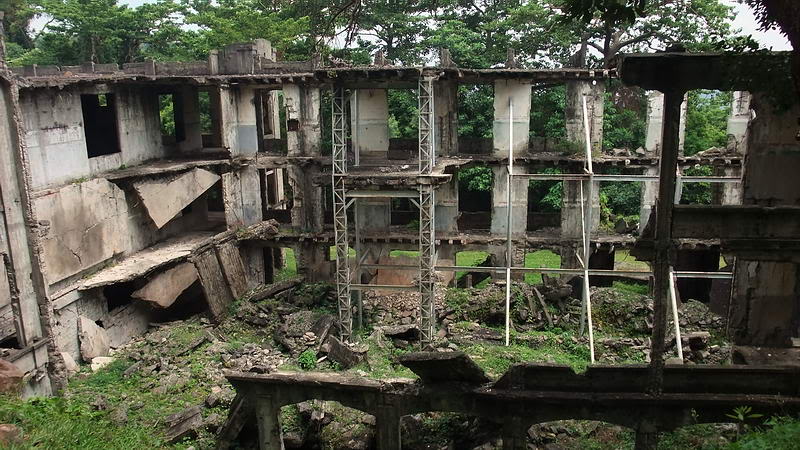
Middleside Barracks fots 16 You can see some of the metal reinforcement here.
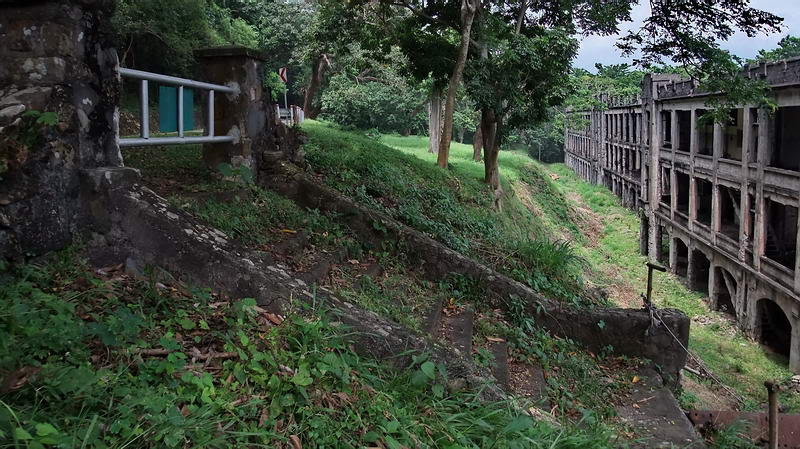
Middleside Barracks fots 17 The road to Topside passes by the top of the steps. At the bottom of the steps was a walkway over to the third floor of the barracks.
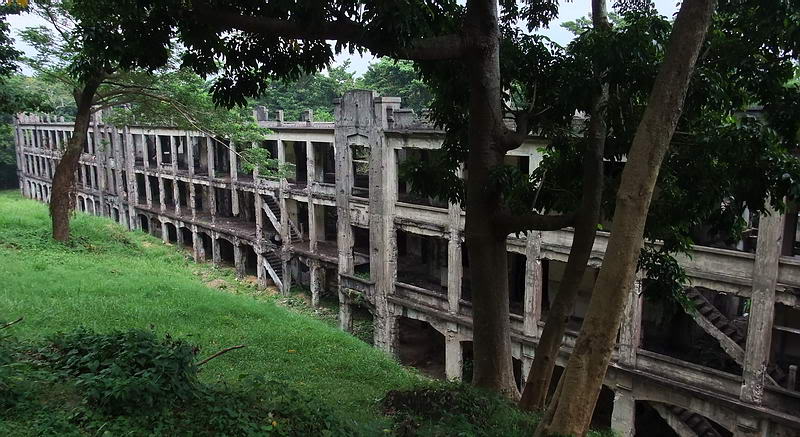
Middleside Barracks fots 18
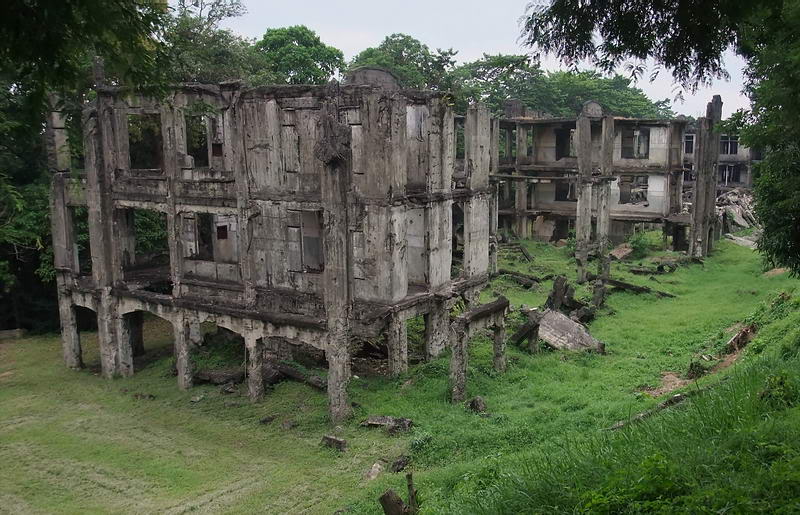
Middleside Barracks fots 19
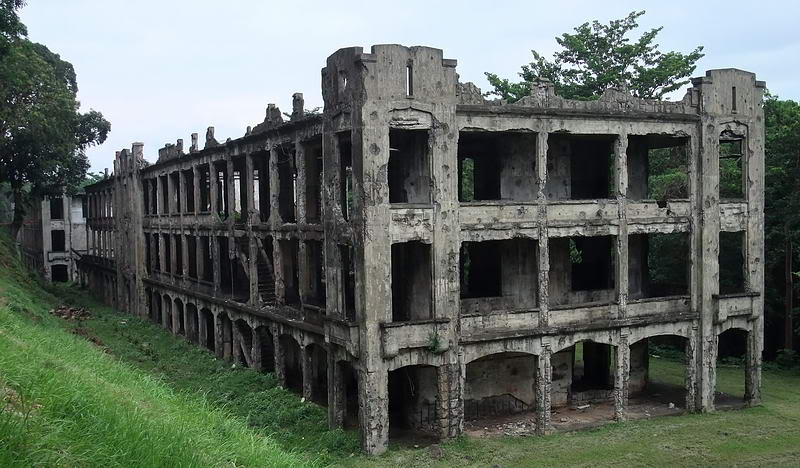
Middleside Barracks fots 20
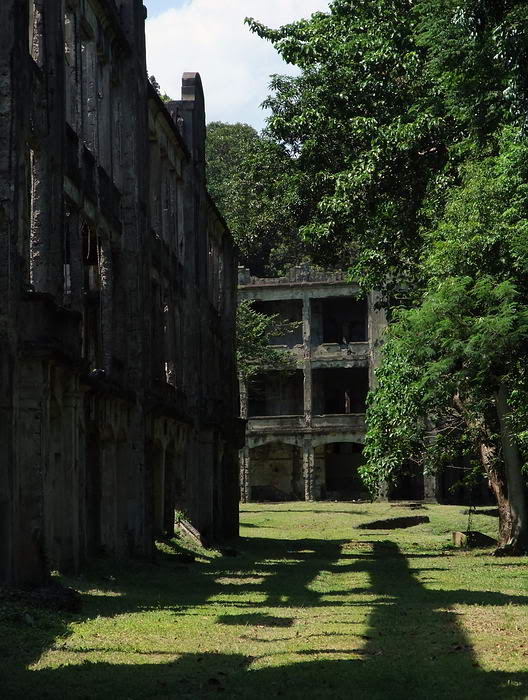
Middleside Barracks fots 21
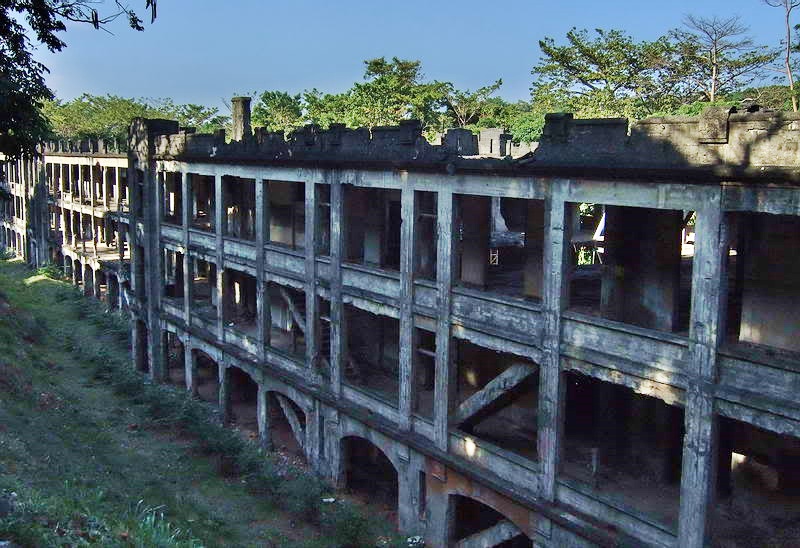
Middleside Barracks fots 22
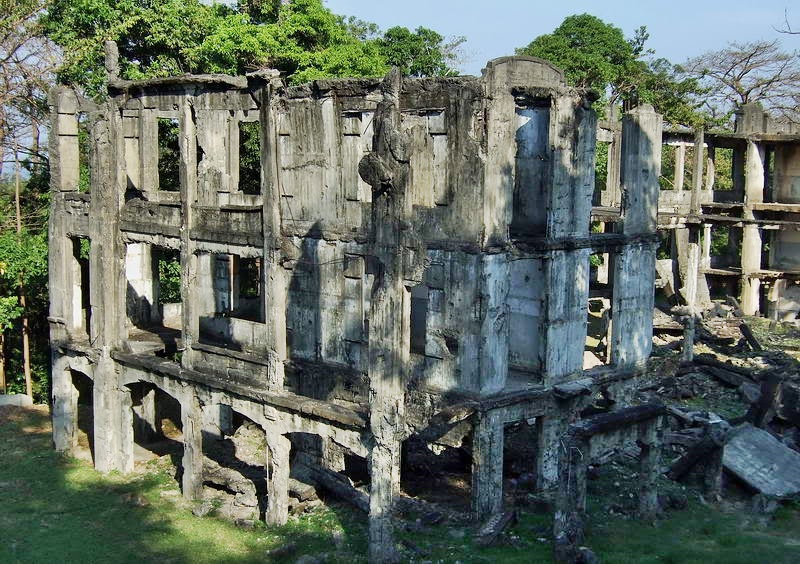
Middleside Barracks fots 23
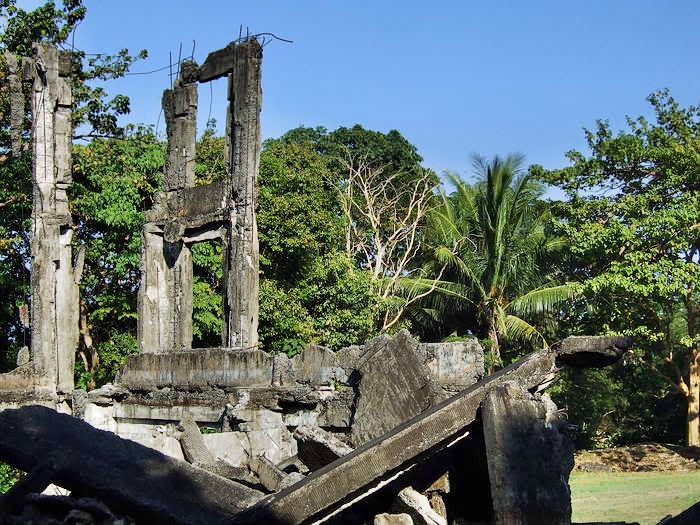
Middleside Barracks fots 24
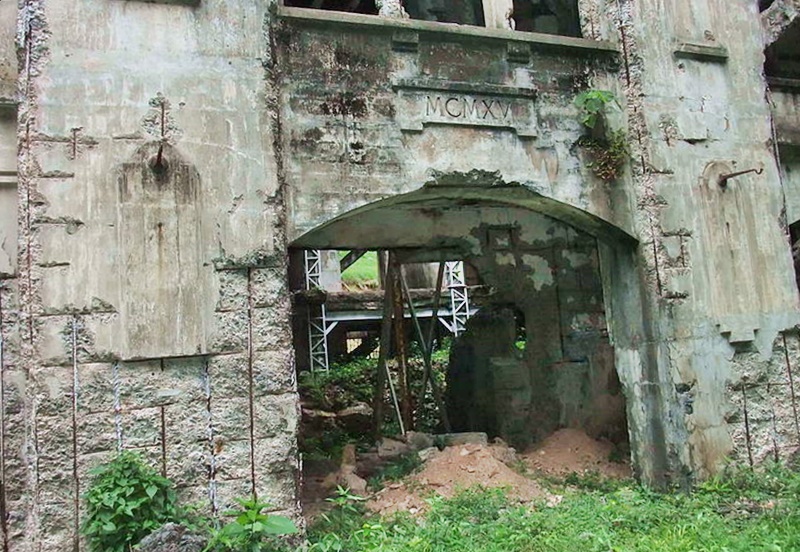
Middleside Barracks fots 25
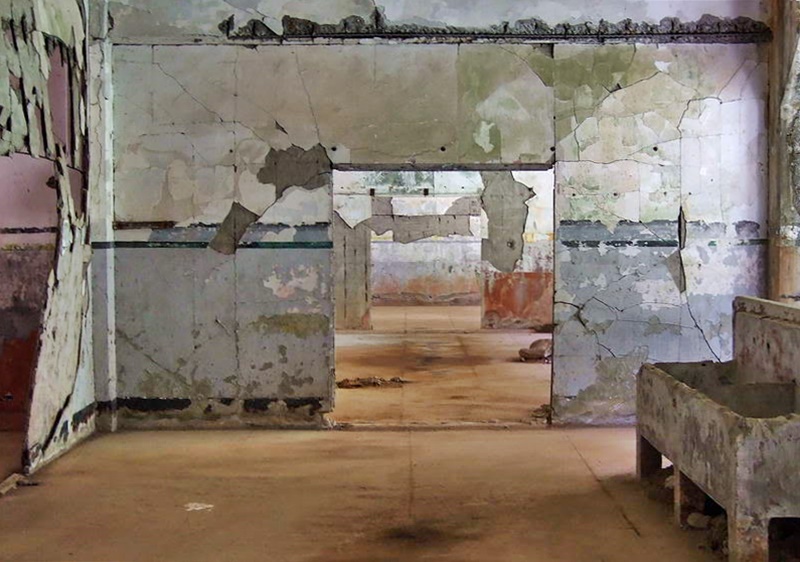
Middleside Barracks fots 26
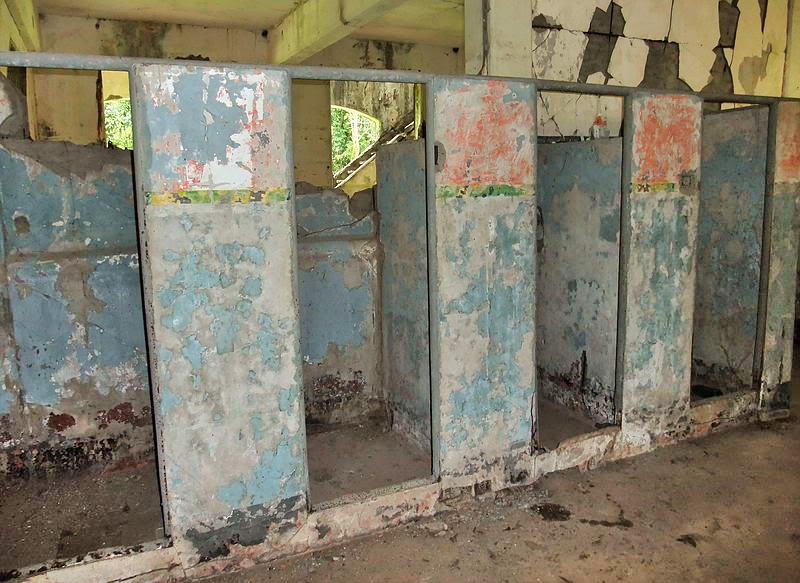
Middleside Barracks fots 27
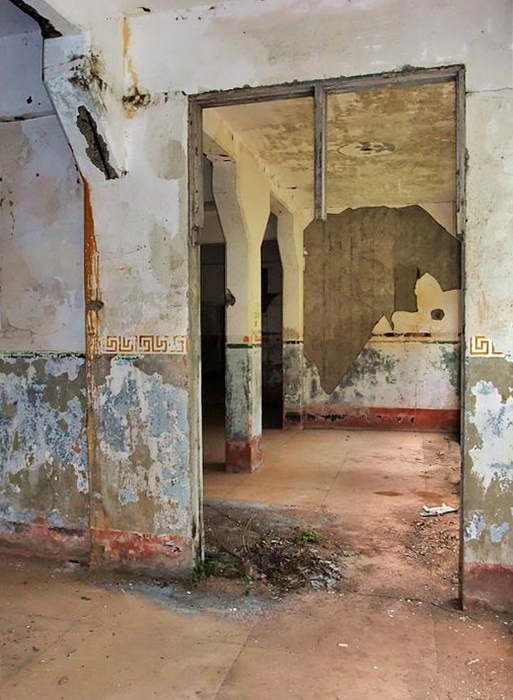
Middleside Barracks fots 28
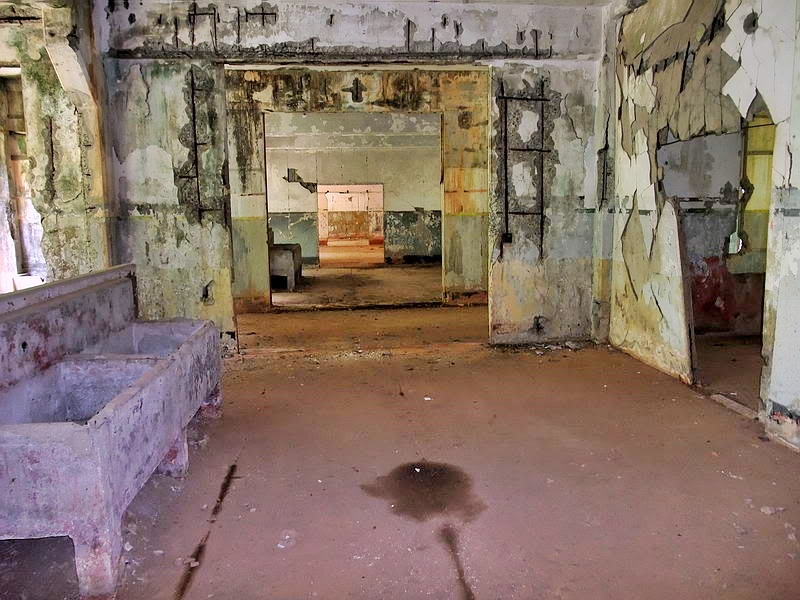
Middleside Barracks fots 29
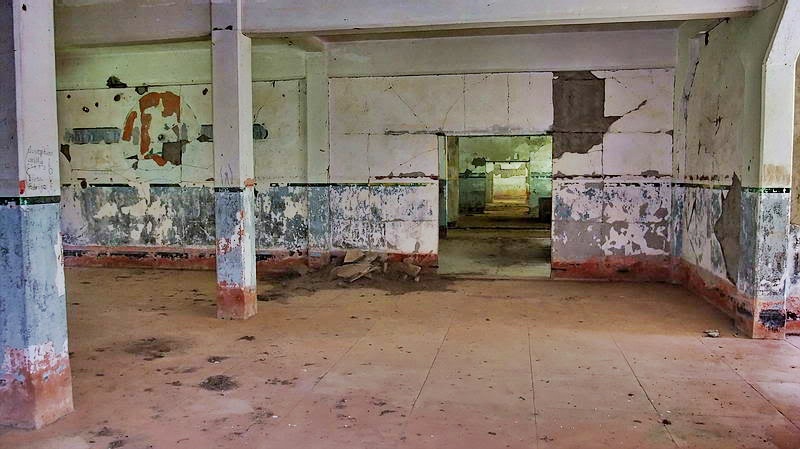
Middleside Barracks fots 30
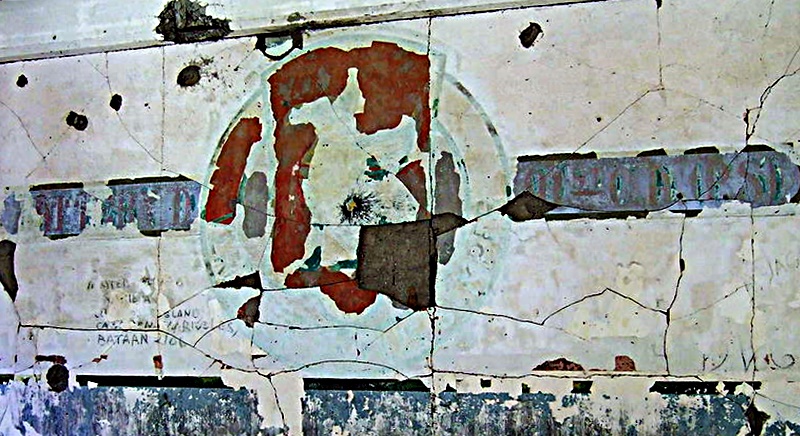
Middleside Barracks fots 31 The faded lettering says “Battery D 91st CA (PS)”
=========================================
John Moffitt’s fine work continues
=========================================
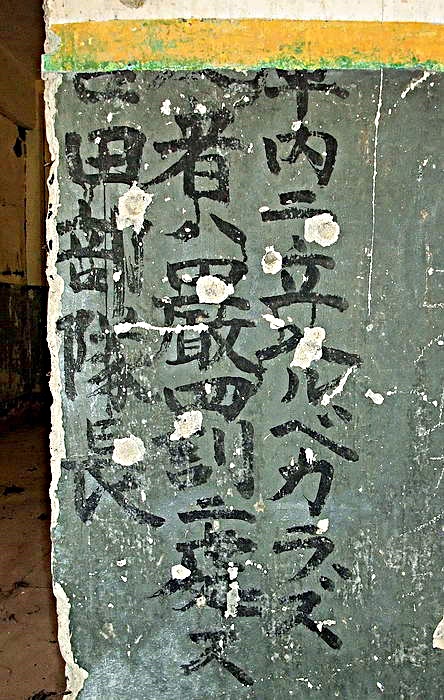
Middleside Barracks fots 32 Japanese writing on the wall.
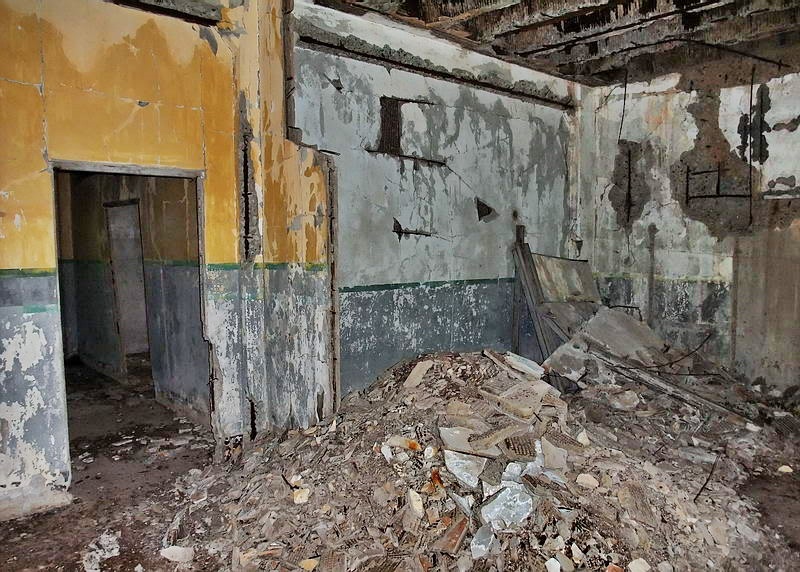
Middleside Barracks fots 33
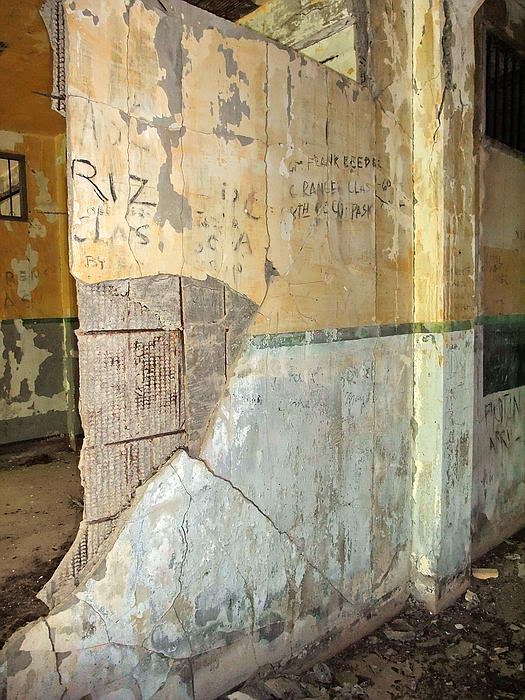
Middleside Barracks fots 34 Look at this damaged wall. This must be an example of the “prefabricated and modular metal lathe reinforcements” construction method used for these buildings.
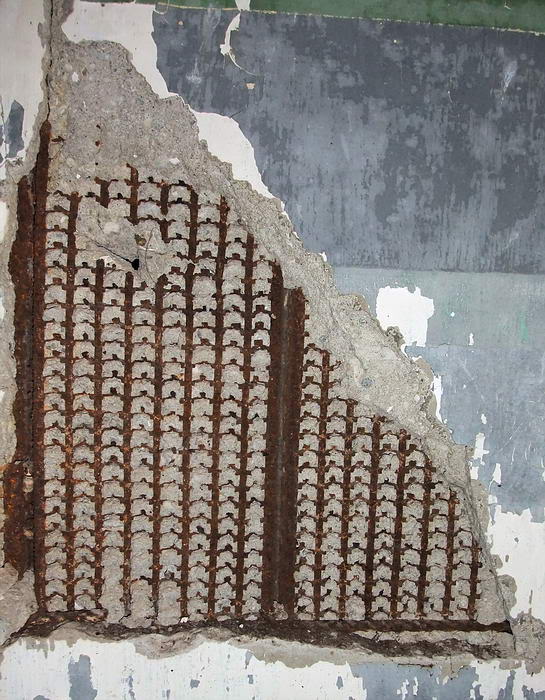
Middleside Barracks fots 35 Close-up view of a prefab wall.
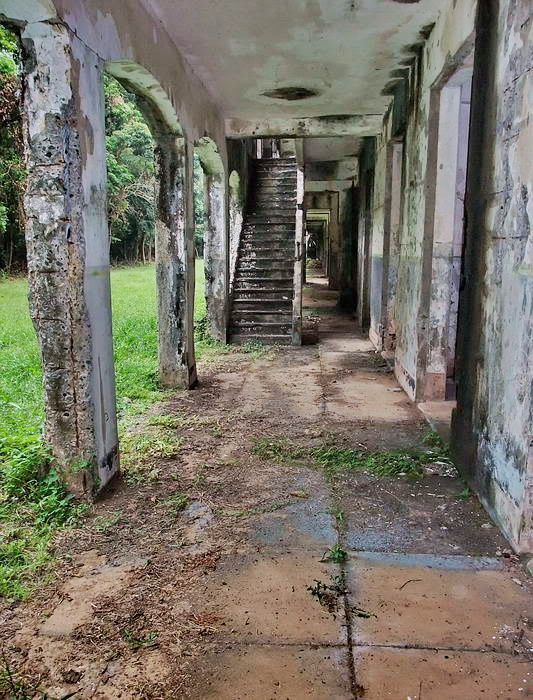
Middleside Barracks fots 36
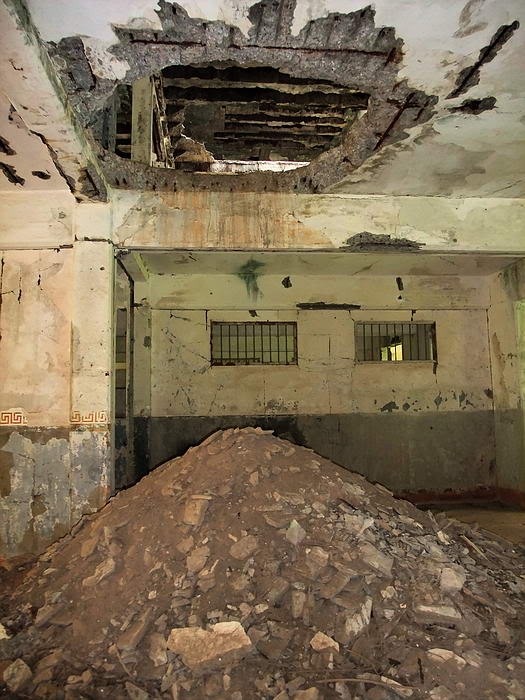
Middleside Barracks fots 37
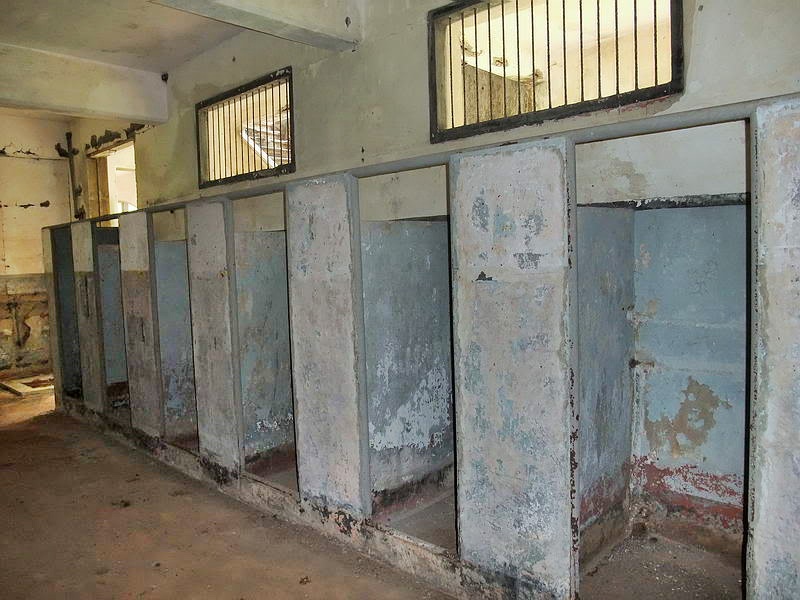
Middleside Barracks fots 38
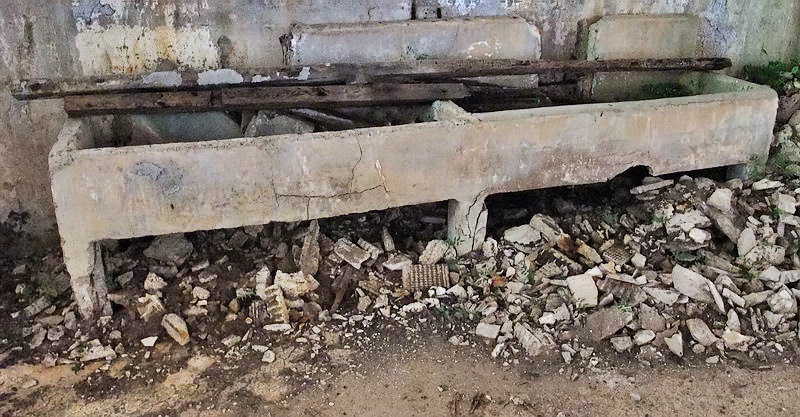
Middleside Barracks fots 39
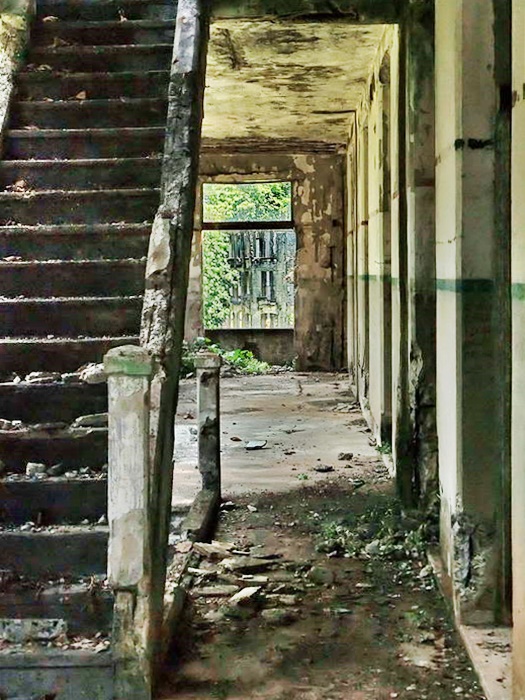
Middleside Barracks fots 40
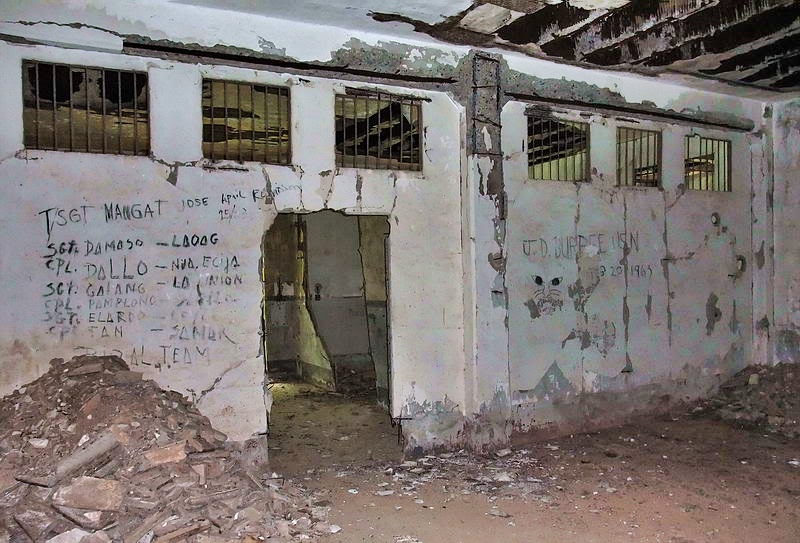
Middleside Barracks fots 41
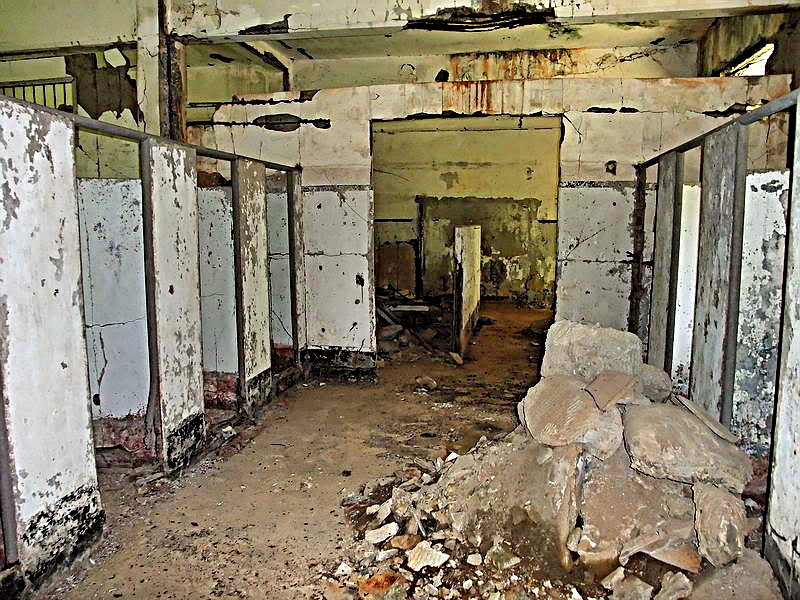
Middleside Barracks fots 42
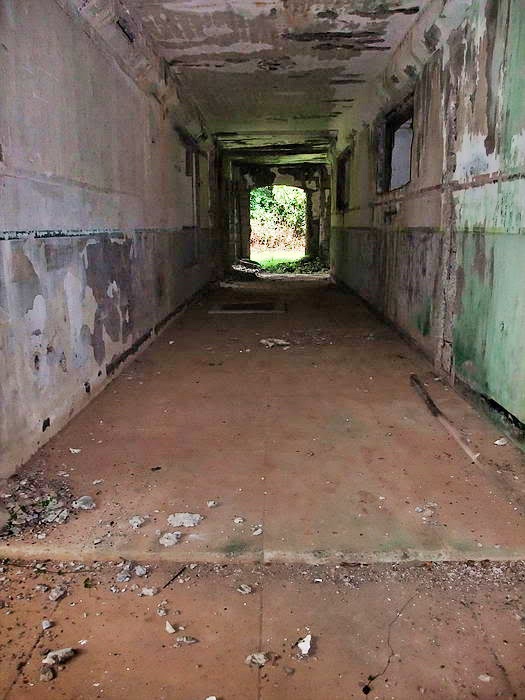
Middleside Barracks fots 43
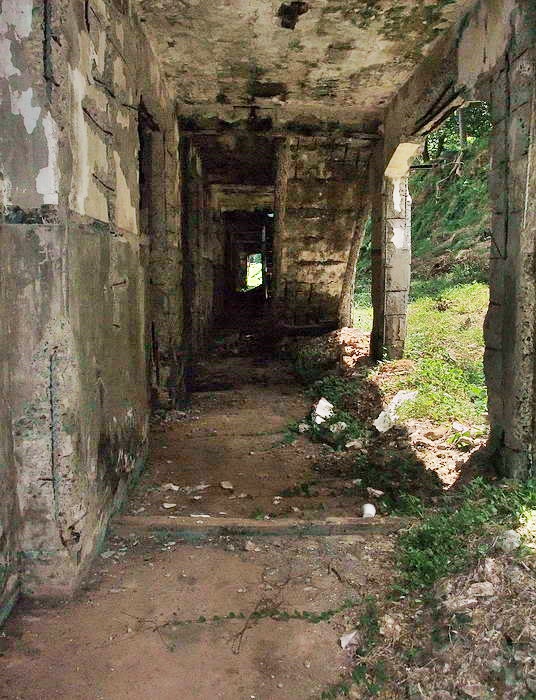
Middleside Barracks fots 44
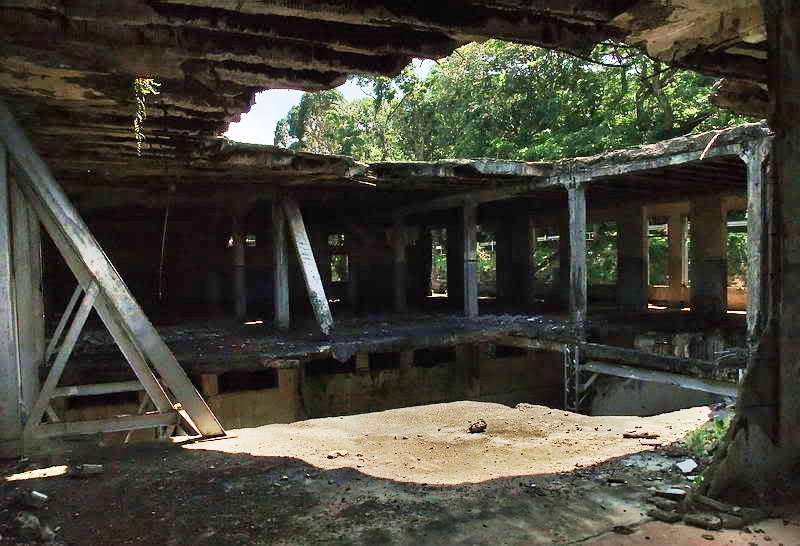
Middleside Barracks fots 45 Roof top bomb hole. Note the recent metal reinforcement in some of these photos. When you look at the work up close you can see that they did a great job.
===========================================
John Moffitt continues with metal reinforcements and metal covers over tunnels dug into the floors.
Remember this album is established to be the host source for fots2 pictures in the forum and many of the texts are not copied here! https://corregidor.proboards.com/thread/858/middleside-barracks
===========================================
Middleside Barracks fots 46
Middleside Barracks fots 47
Middleside Barracks fots 48
Middleside Barracks fots 49
Middleside Barracks fots 50
Middleside Barracks fots 51
Middleside Barracks fots 52
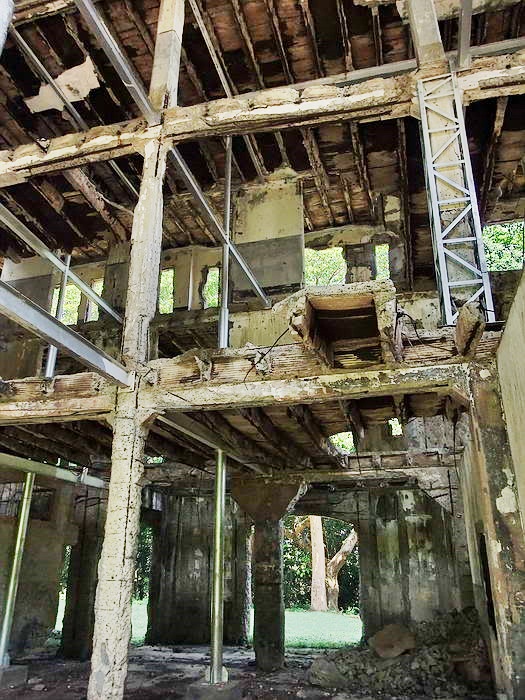
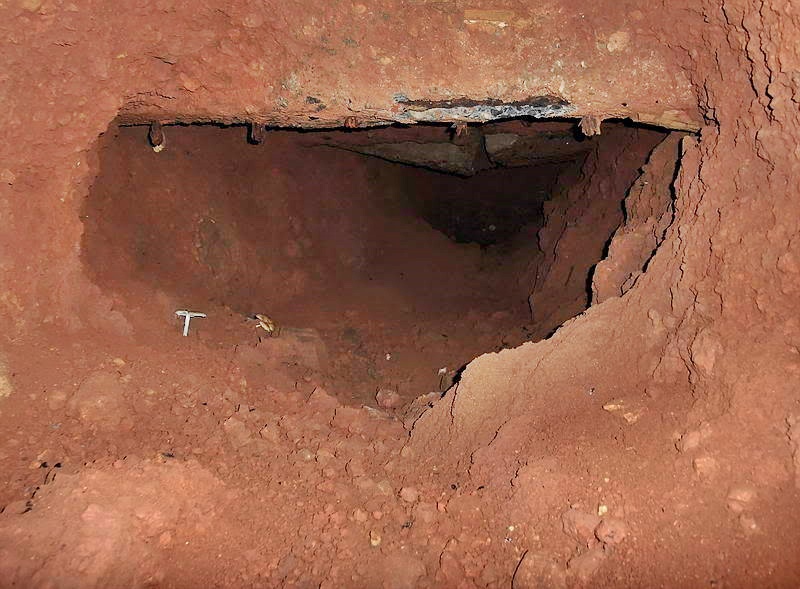
Middleside Barracks fots 53 Here is something I expect most people do not know about. As you wander around the barracks you may notice metal plates/covers on the floor.
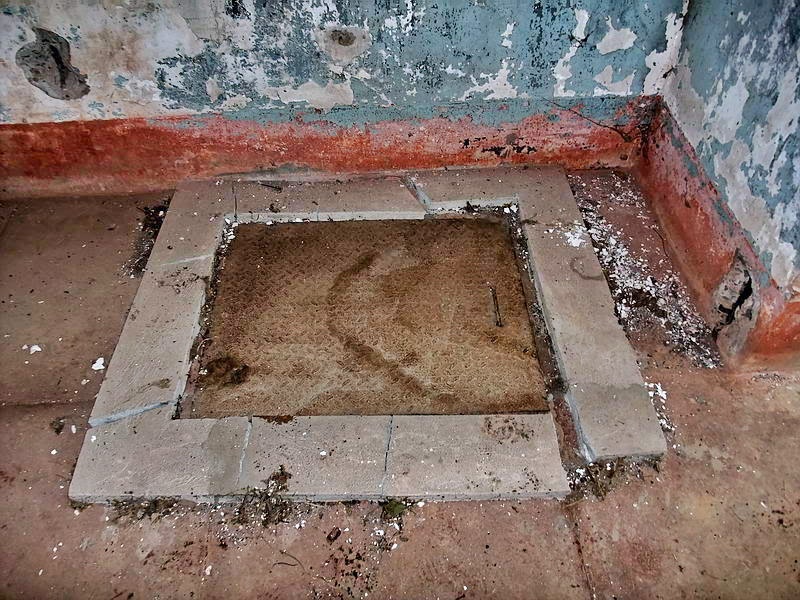
Middleside Barracks fots 54 One of the metal covers that can be seen in several locations. Lift the cover and have a look
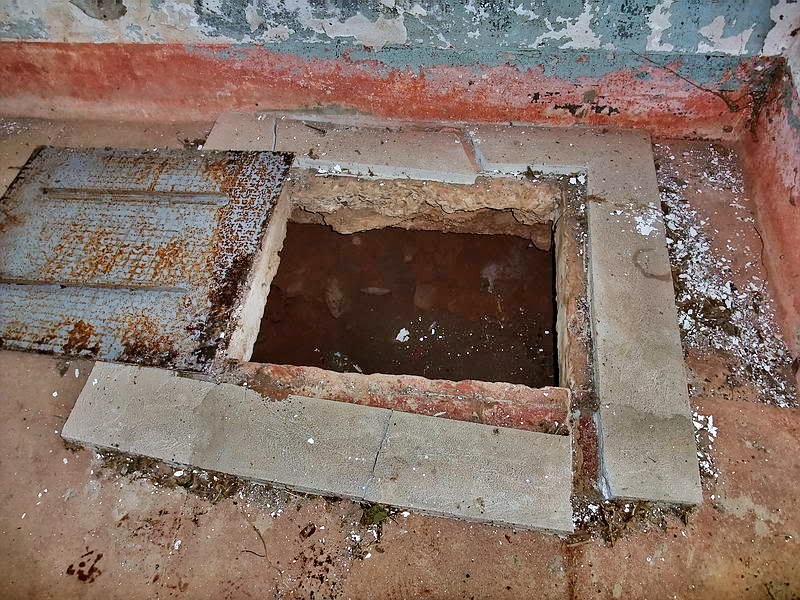
Middleside Barracks fots 55 Yep, that’s one of several tunnel entrances under these barracks.
I have heard of three possible builders of the tunnels. US Marines, treasure hunters and scrappers. I have no idea which or if any of those would be correct. Some tunnels are crude rat holes just under the floor where you crawl along on your hands and knees. Others are deeper tunnels including laterals with squared corners. In these, you can stand up. Obviously they are not the work of someone in a hurry.
When you consider history, the Marines theory does not seem logical to me. They arrived on Corregidor on December 26th,1941 and moved into the Middleside Barracks. Soldiers living there told the Marines that the building was bombproof so why would they dig any tunnels. Plus, only three days later on the first day of Japanese bombing, December 29th, the building was virtually destroyed. The Marines moved to their field positions the same day. (http://www.fourthmarinesband.com/shanghai.htm)
In my opinion treasure hunters and scrappers would never dig anything so elaborate. I have never read of these tunnels in historical books.
Does anyone know anything about them?
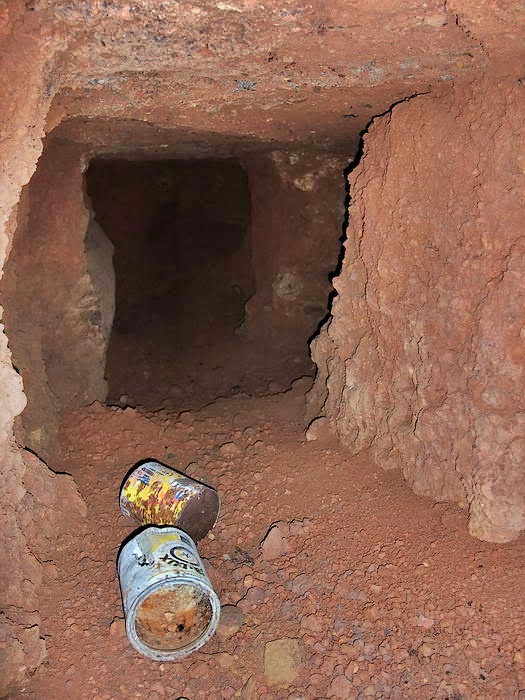
Middleside Barracks fots 56 The roof of this tunnel is the bottom of the building’s concrete floor.
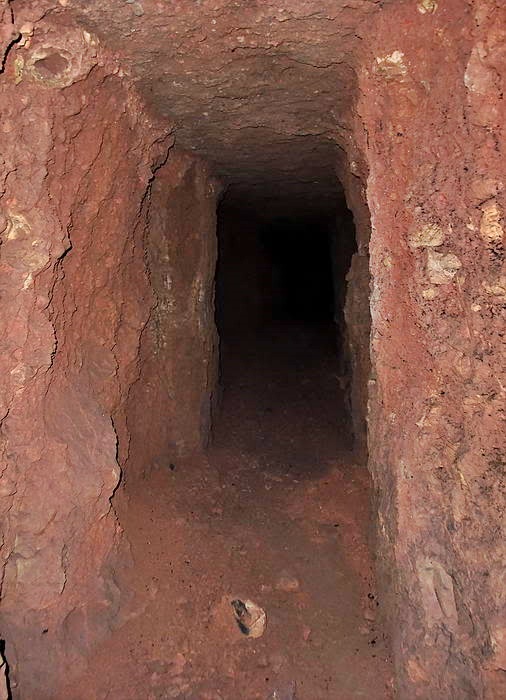
Middleside Barracks fots 57
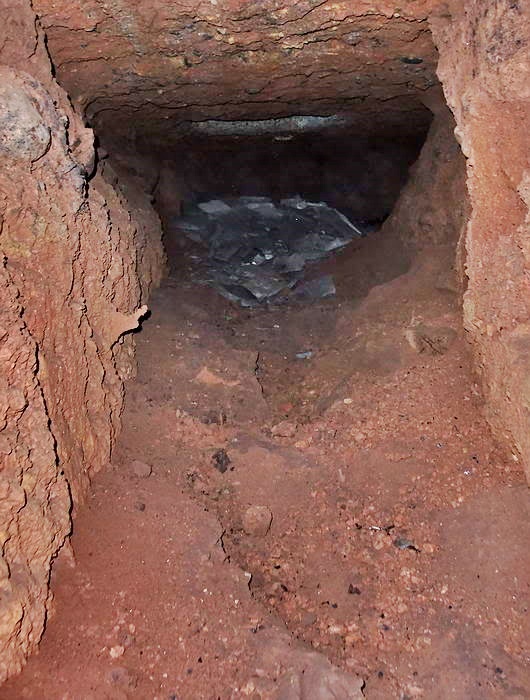
Middleside Barracks fots 58 Looking towards one of the entrances that has been chipped through the concrete floor above the tunnel.
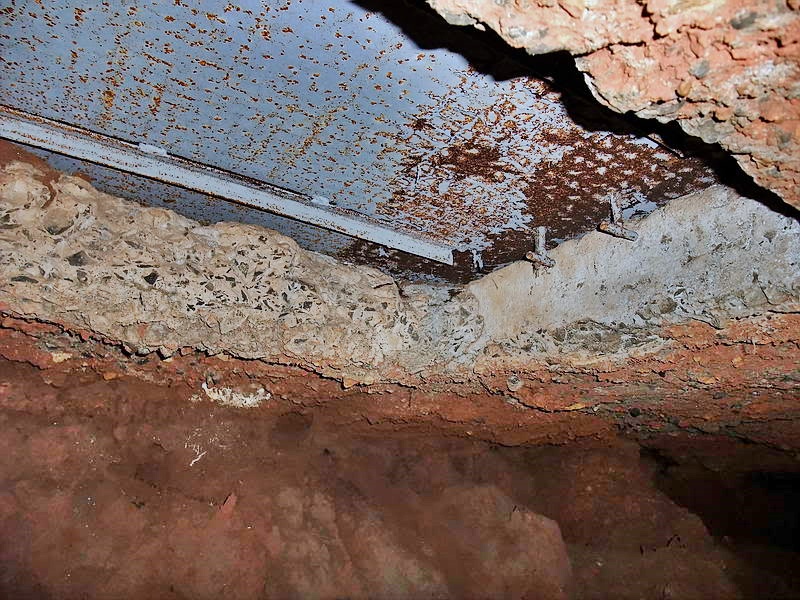
Middleside Barracks fots 59 Looking up at another covered entrance
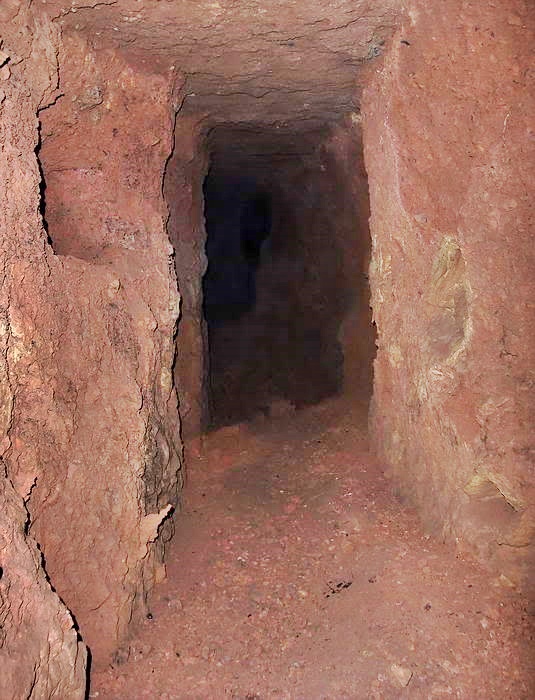
Middleside Barracks fots 60
Middleside Barracks fots 61
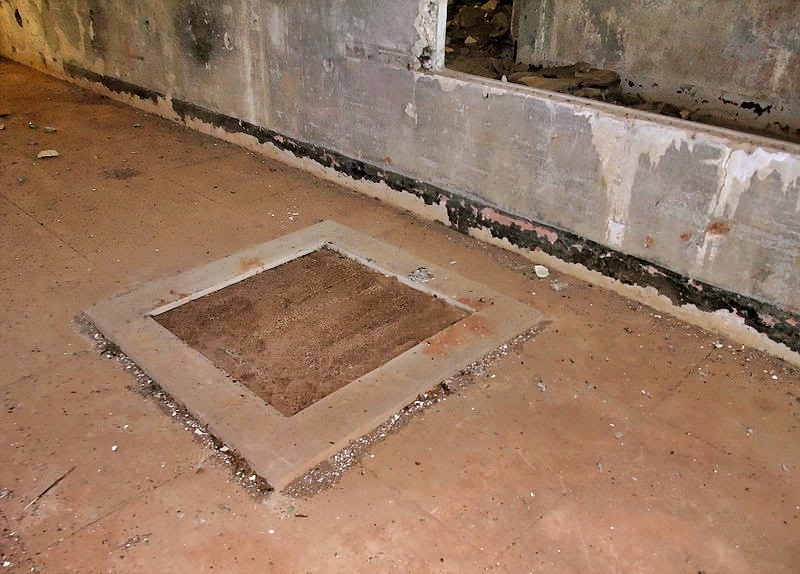
Middleside Barracks fots 62 A typical cover.
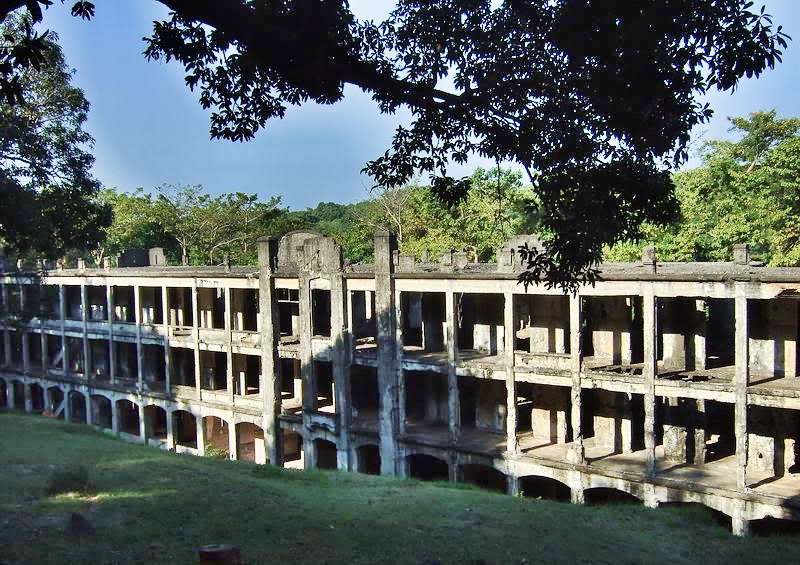
Middleside Barracks fots 63 Early morning view of Middleside Barracks.
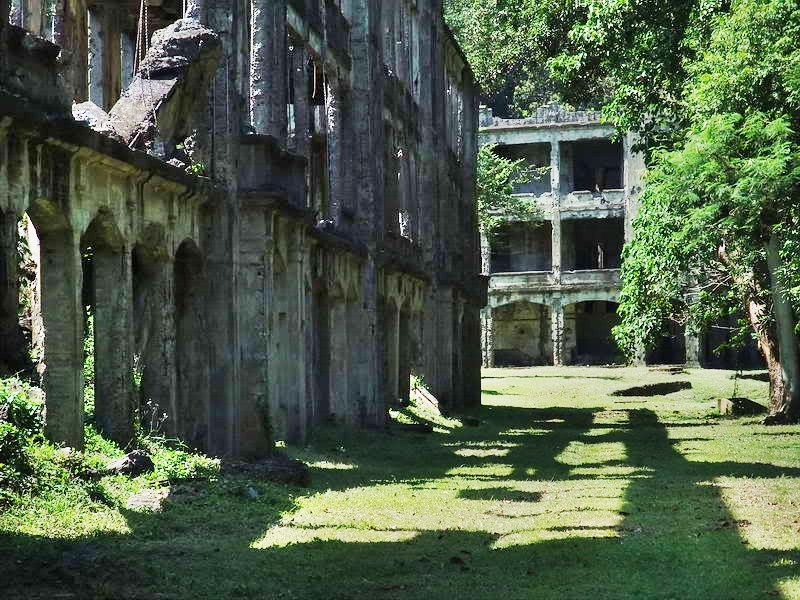
Middleside Barracks fots 64 Final view of the Middleside Barracks.
==========================================================================
Jan. 2011 John Moffitt has another look at the tunnels under the Middleside Barracks
==========================================================================
Post by fots2 on Jan 31, 2011 at 9:24am
This island never ceases to amaze me. Even in locations I thought had given up all their secrets, something new pops up.
Last week, Phantom, a return hiking buddy Jim Moffett (no relation) and I, headed towards Middleside Barracks as a shower approached. I had unfinished business there.
Remember our discussions on the origin of the tunnels under Middleside Barracks. Scrappers, treasure hunters or soldiers quartered there were possibilities. After having a look again I think the answer may be “all of the above”. One low short tunnel does go from one wall over to a toilet pipe (approximately 15 feet long) so that may have been dug by a scrapper or treasure hunter. Another one quite a bit longer is also low, very rough and erratic in shape, no pipes in sight. Perhaps it is also the work of scrappers or treasure hunters years ago. These types of tunnels run directly under the concrete floor.
One straight tunnel is quite different from the rest and from a distance looks like the work of people who knew what they were doing. It has a ceiling 6+ feet high, squared walls and is around two feet or more under the concrete floor. Looking down one of the entrances, you can see laterals on both sides with squared corners. I’ll try to describe what you will see here. I was in for a surprise.
Entrance is via a vertical shaft. A ladder is useful here. Looking along the tunnel you can see a few laterals on both sides ahead of you. The floor is mostly level and there is no concrete lining anywhere. Humidity is 110%. As you approach the first set of laterals you realize that something is “different” here. Both laterals are only 3 feet or so deep but cut like that was the plan. The rear walls are rounded. The next set of laterals was similar and I was a bit baffled as to the purpose of what I was seeing. Moving further the laterals have “trim” cut into the entrances. The last two laterals made me think of tunnels I saw years ago under Alexandria, Egypt which were a couple thousand years old. A second entrance is nearly filled with debris.
What I was looking at here are shelters under the barracks made by soldiers who obviously had lots of time on their hands waiting for their shooting war to start. (assumption there of course).
These tiny laterals may best be described as alcoves or even cocoons. The most finished one has a label above the entrance saying “CPT W White”. A carved entrance about one foot thick surrounds the opening. Inside the entrances, all alcoves are rounded and a couple are almost polished. Interior space is very limited. Sitting on the floor, a man would look like a Buddha statue from Thailand, no one could stand up in them. A lot of work went into carving these shelters. Only two are finished, the rest being in various stages of construction. A couple others have some text above the entrance but it is difficult to read. One says SGT ? Tunnel. The name was a Filipino name but I forgot it and cannot make it out in the photos. Each one seems to be individual with respect to the detailed carving.
It is rare that I can put a name or face to what I see when wandering around Corregidor but two days in a row I see a tombstone with a lady’s name on it and now shelters of W. White and another soldier. So far W. White has not been identified. One thing that we can probably all agree on is that this is an interesting slice of Corregidor history. Photos in this confined space do not do this tunnel justice but here they are anyway.
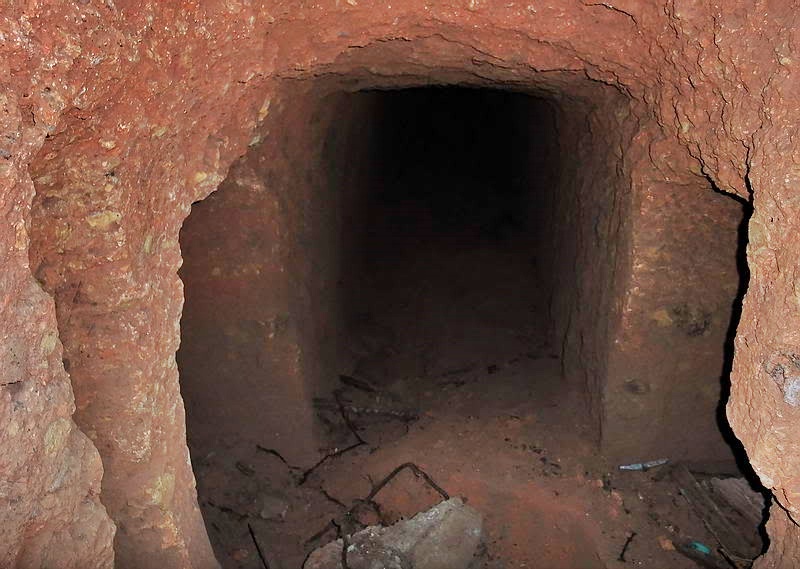
Middleside Barracks fots 65 After descending into the tunnel, this is the view along the main shaft.
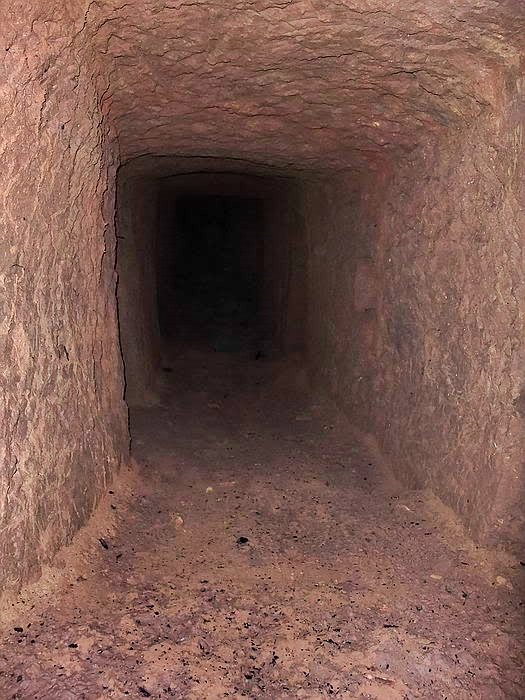
Middleside Barracks fots 66 Approaching more alcoves.
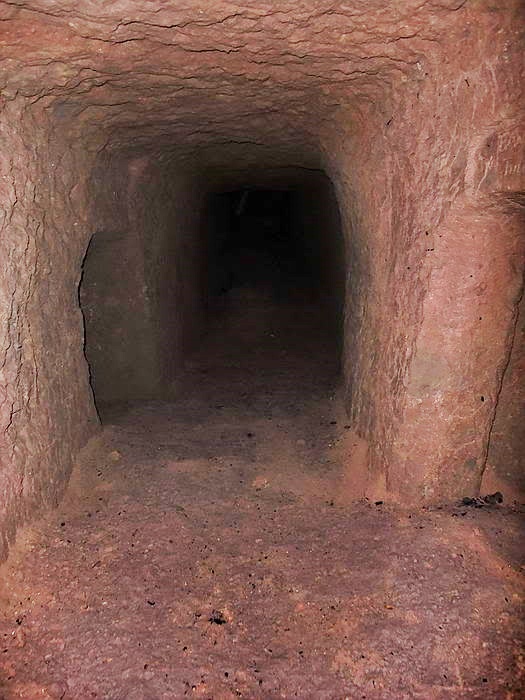
Middleside Barracks fots 67 Alcoves on both sides.
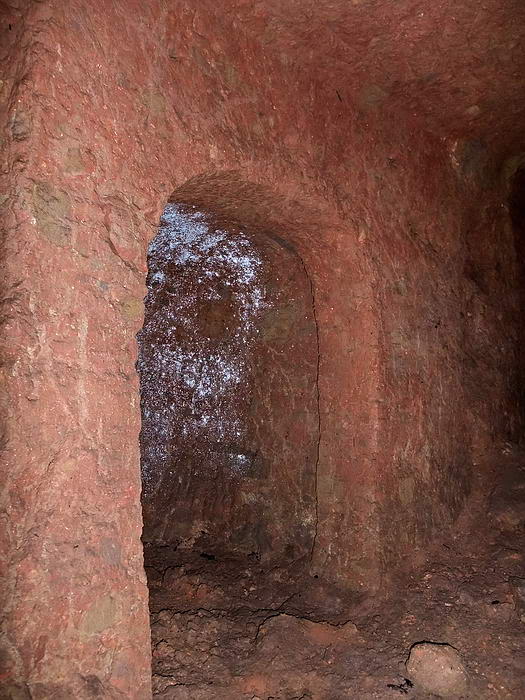
Middleside Barracks fots 68 Notice that the inside is larger than the entrance.
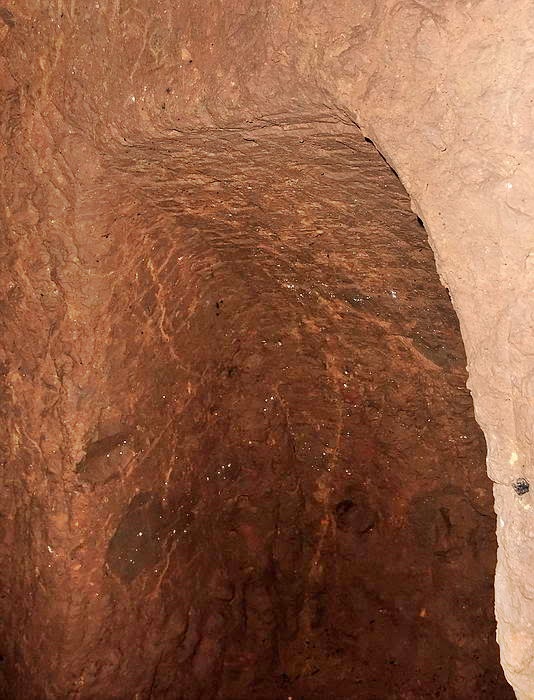
Middleside Barracks fots 69 The interior wall is quite smooth.
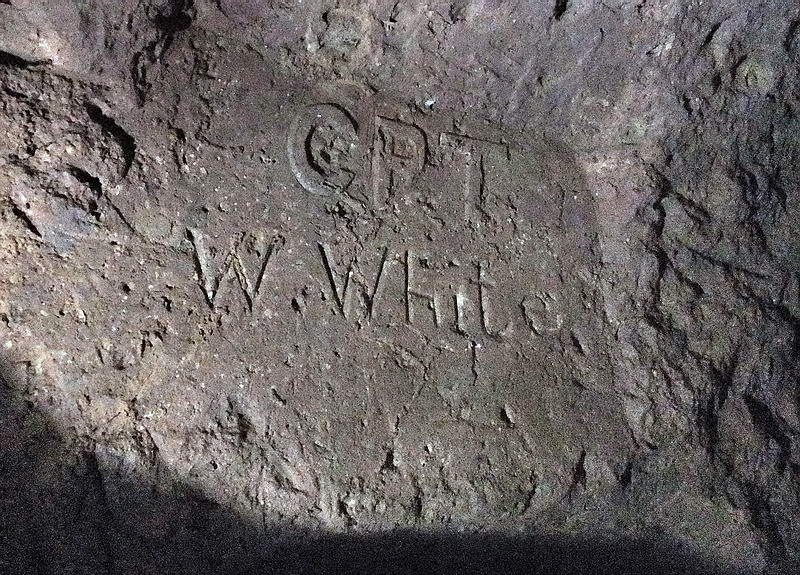
Middleside Barracks fots 70 Shallow or eroded letters are difficult to photograph using the camera’s flash face on. To try to see them better I disabled the flash and used my flashlight off to the side to create shadows across the letters. Color balance sucks but you can read it.
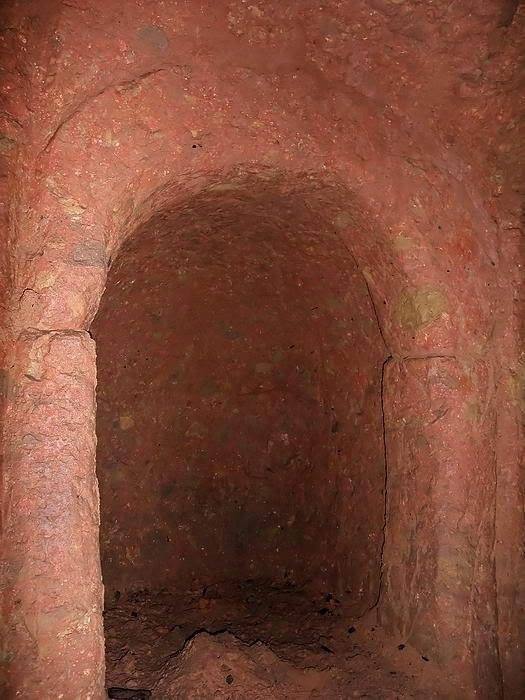
Middleside Barracks fots 71 This alcove entrance was carved to make it look like a two section pillar. The interior is larger than the entrance and the rounded rear wall is almost polished.
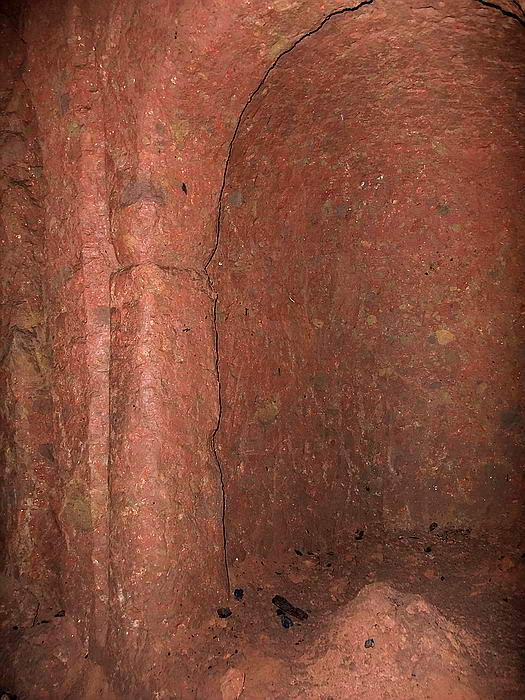
Middleside Barracks fots 72 A closer view of the same alcove. Is this Egyptian or what?
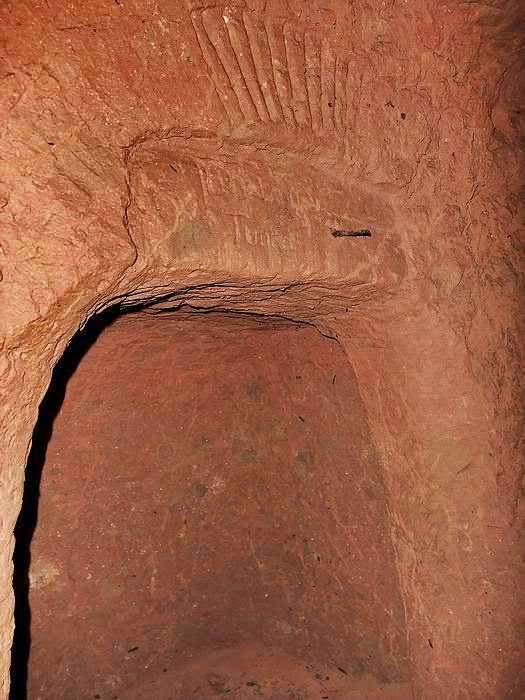
Middleside Barracks fots 73 This one has the most carved entrance. The name SGT ? Tunnel is barely readable. A little extra trim is above the name.
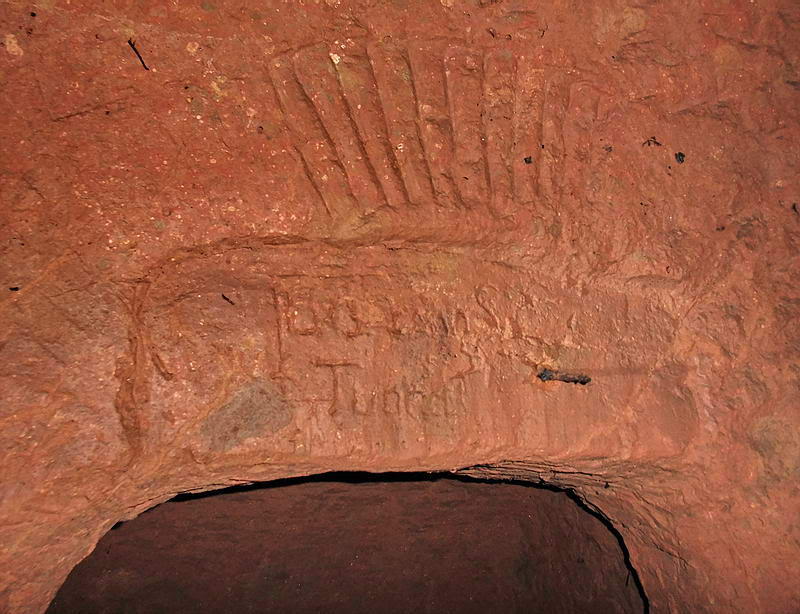
Middleside Barracks fots 74 Close-up of this entrance.
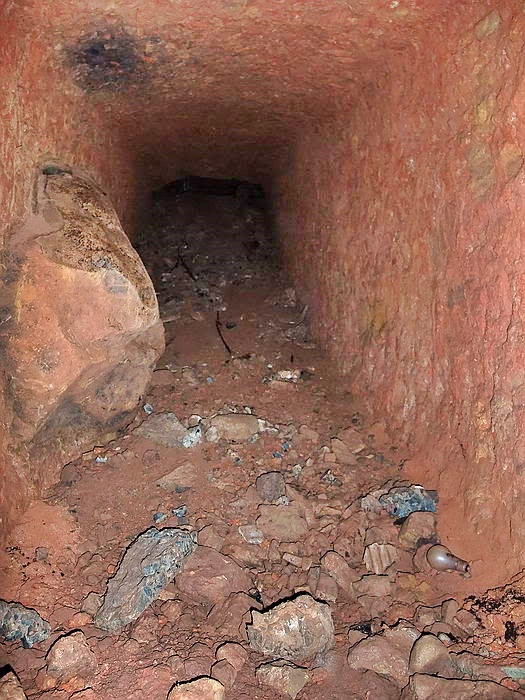
Middleside Barracks fots 75 The second entrance is almost sealed now. If you don’t mind the spiders and getting dirty, you could enter this way.
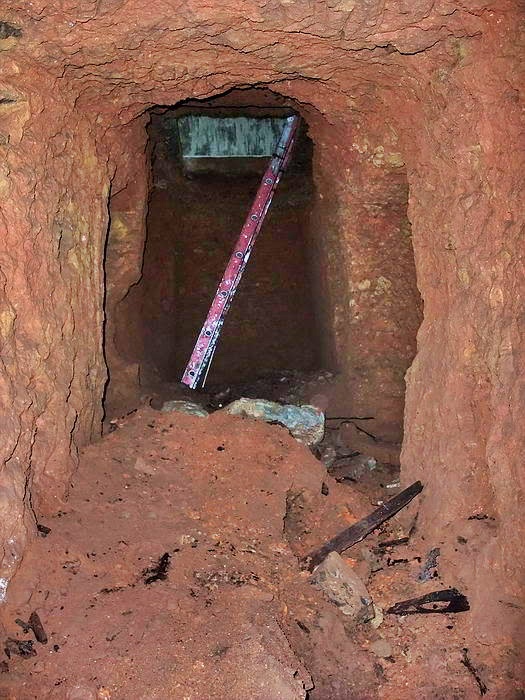
Middleside Barracks fots 76 On the way out here is a look at the main entrance. Time to get out of this sauna.
——————————————
Two pictures are only linked to the Corregidor Forum page but I like to display them here as whole

Middleside Barracks fots 77
Feb 20, 2011, one member sent and said this:
Wow fots2, you sure do get around on the rock, i will have to meet up with you one day for some exploration!
Here`s a pic of me at what`s left of battery Ramsay

Middleside Barracks fots 78
Feb 20, 2011, Buff dmeter sent and said this:
Great photo’s of the barracks and tunnels. Here’s is one from 1945.
————————————————————————-
Nov 6, 2011, fots2 added this
The Middleside Barracks Part 2
Day after day, tour busses drive beside two long concrete ruins called the Middleside Barracks. They stop for a moment, take their quota of photos and then move on. No mention is ever made of two more barracks in the same row. Now some people might be saying, “What other barracks?” Actually, Middleside Barracks consisted of four buildings but only two were shown in the first part of this trip report.
I expect there are two reasons for the other buildings not being well known. First, they were of wood construction and no wood remains today. Second, only the area around the concrete buildings has been cleared of trees and vegetation. Where the wooden buildings were located is totally out of sight from the road.
Hidden among the bushes and trees you can see various concrete remnants however there is not really much remaining of these buildings. Just to complete the Middleside Barracks story, here are a few photos of what were two wooden structures adjacent to the other structures seen in the first part of this report.

Middleside Barracks fots 79
Corregidor 1932 map showing all four of the Middleside Barracks structures.

Middleside Barracks fots 80
Aerial Photo of the same location. The wooden structures are indicated in red. (Feb. 6th 1945 photo from Dan’s Collection)

Middleside Barracks fots 81
The easiest way to approach the wooden barracks is to walk past the concrete barracks and head directly into the jungle. This view shows the road at the north (front side) of the concrete barracks.

Middleside Barracks fots 82
The first thing you will notice is a rock and concrete embankment which was beside a road on the south side of the structures. There are a couple damaged sections but the embankment is mostly intact.
Very soon you can make out concrete foundations with metal anchors. These two barracks were not supported by pedestals which was a common practice for wooden structures. The floors and foundations sat directly on the ground. I did not see (nor fall into) any type of basements.

Middleside Barracks fots 83

Middleside Barracks fots 84

Middleside Barracks fots 85

Middleside Barracks fots 86
The reason that no trees have grown in this open area is because it is a leaf and vine covered concrete floor. The horizontal lines you see are concrete bases for interior walls.

Middleside Barracks fots 87

Middleside Barracks fots 88

Middleside Barracks fots 89

Middleside Barracks fots 90
A big concrete tub may have held water. It has a hole near the top for a tap and a drain hole on the bottom.

Middleside Barracks fots 91
This open manhole adjacent to one of the barracks appears to have been used for drainage along the road. In the past Phantom has mentioned the lack of a visible sewage system at many locations. I do not know why but the same goes for here too.

Middleside Barracks fots 92
I expect this was trim for a walkway outside the barracks.
This little trip was a break from just guns, defenses and tunnels. There is not much to see here but it is still history. Those of us that wander around ‘off-road’ often find structures that are not on the 1936 map. It makes this island all the more interesting.
URLs to be added:
https://philippine-sailor.net/wp-content/uploads/2026/04/Middleside-Barracks-fots-77.jpg
https://philippine-sailor.net/wp-content/uploads/2026/04/Middleside-Barracks-fots-92.jpg